|

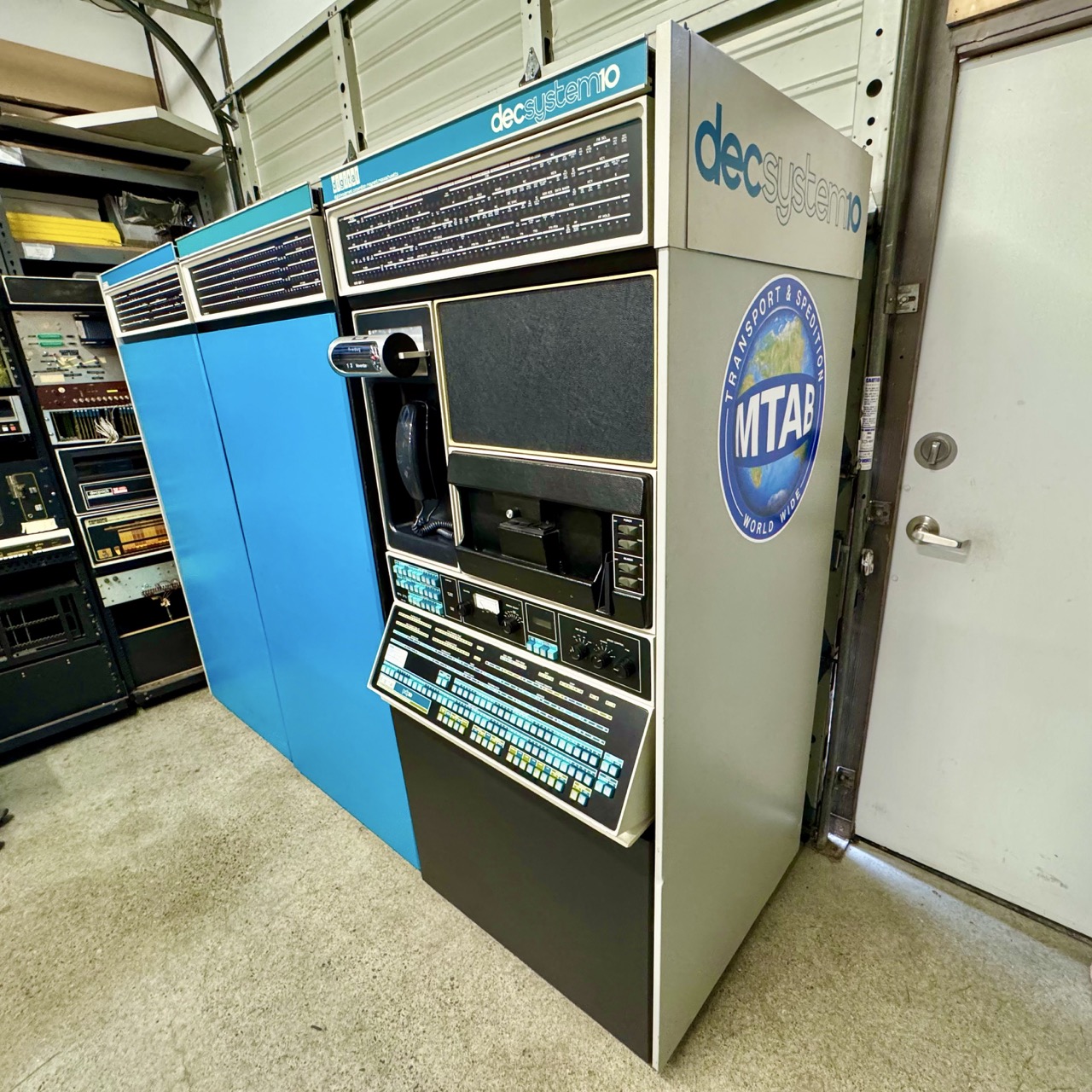
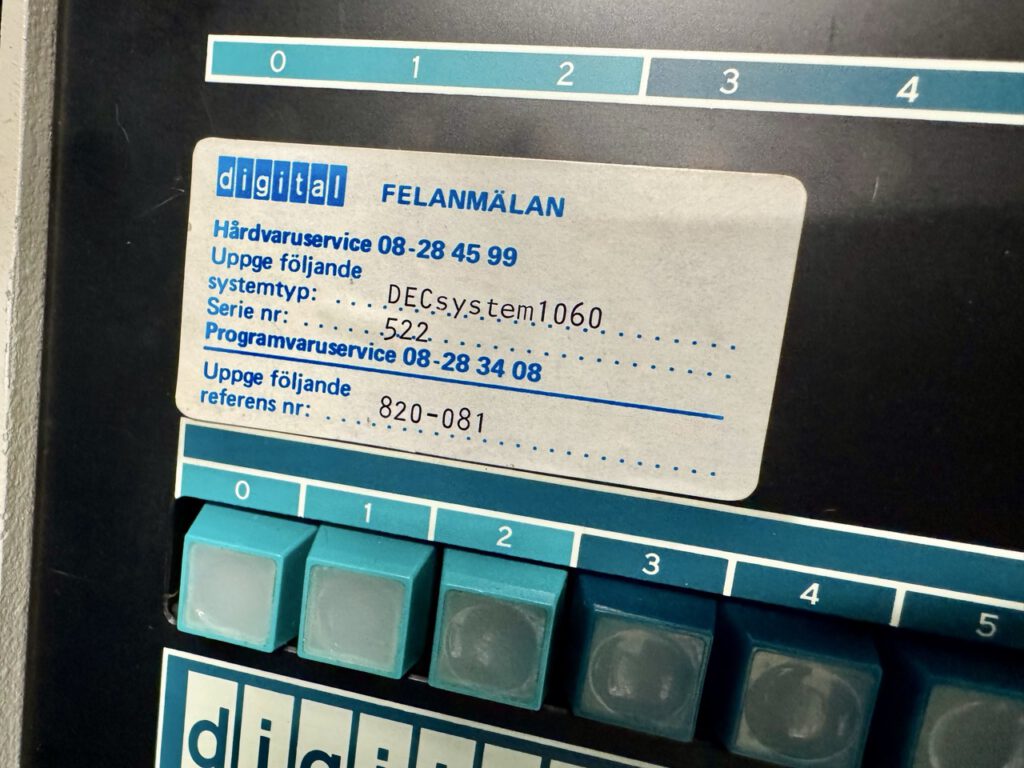
KICKI: a DECsystem1060

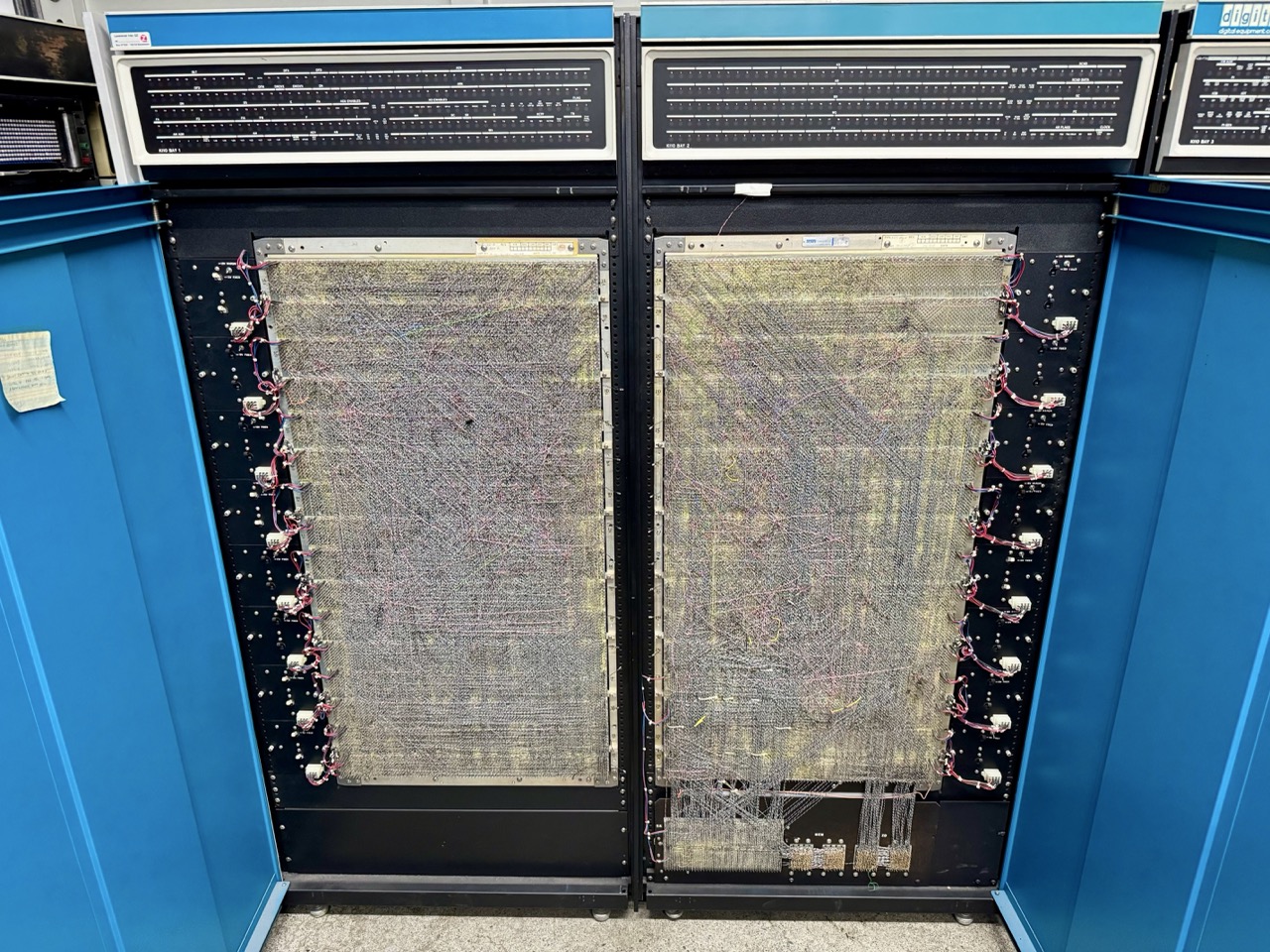
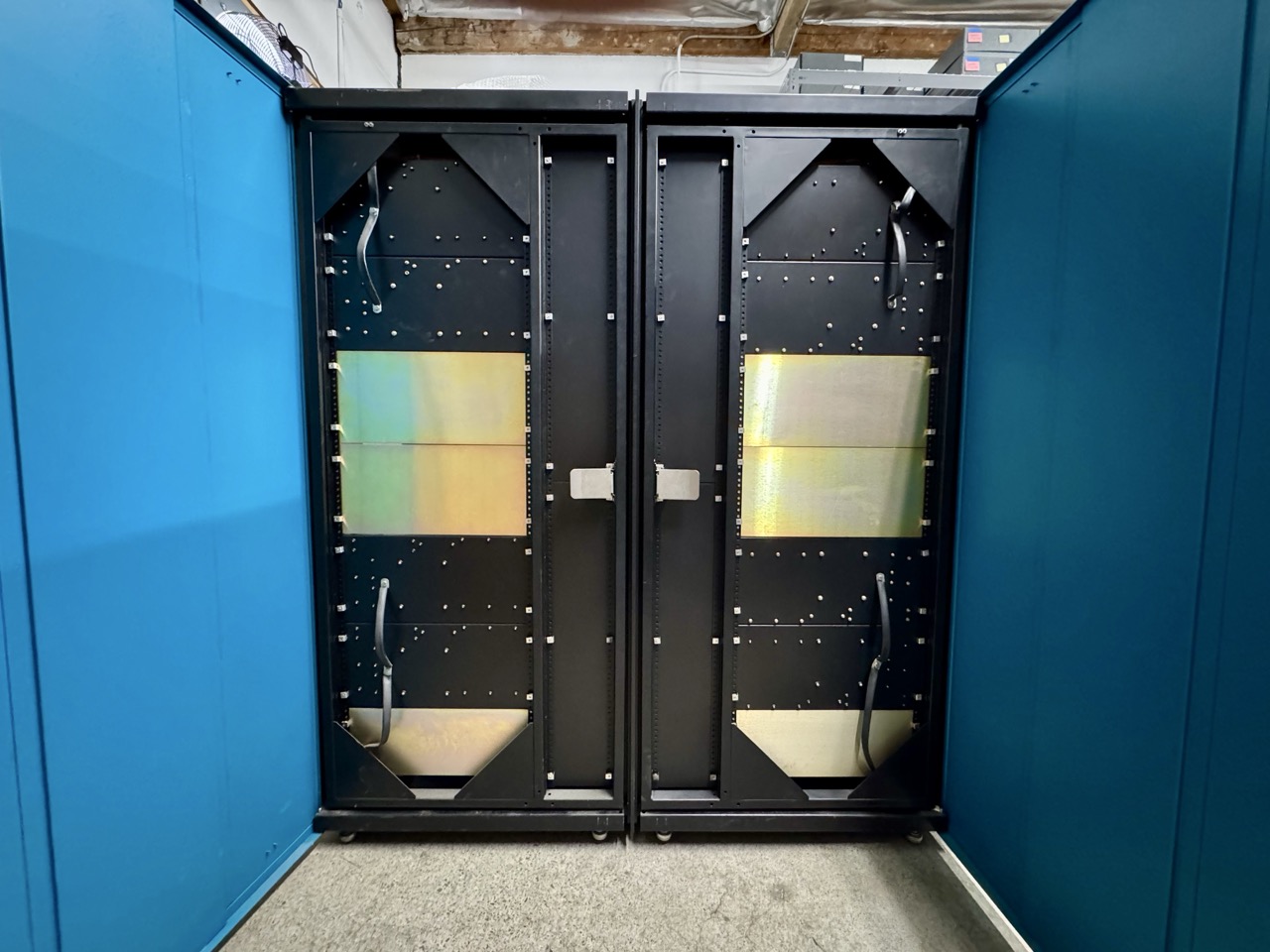
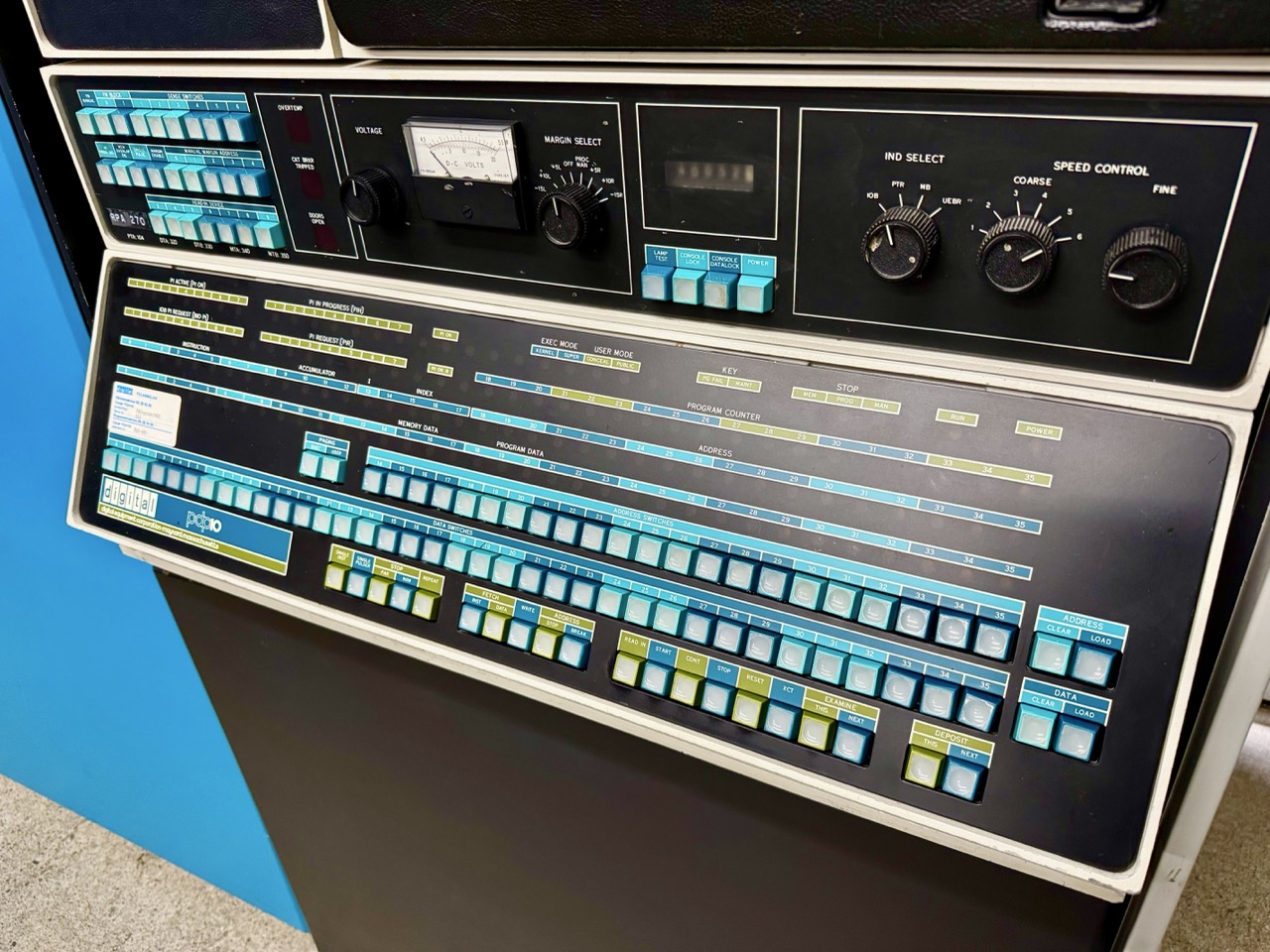
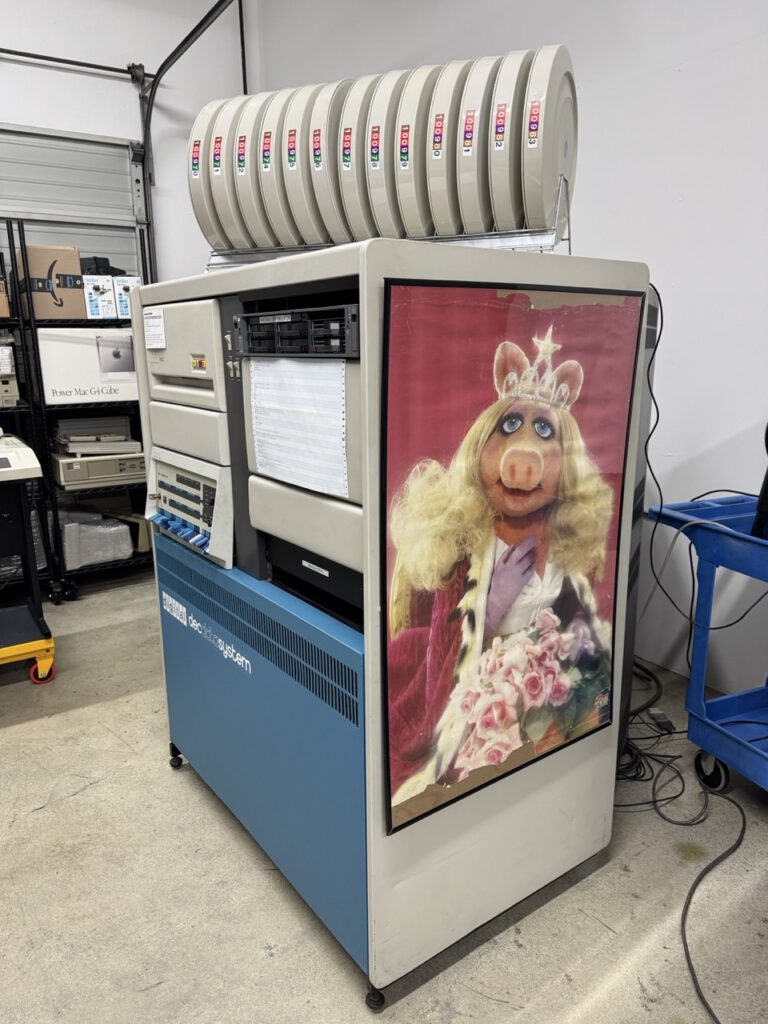
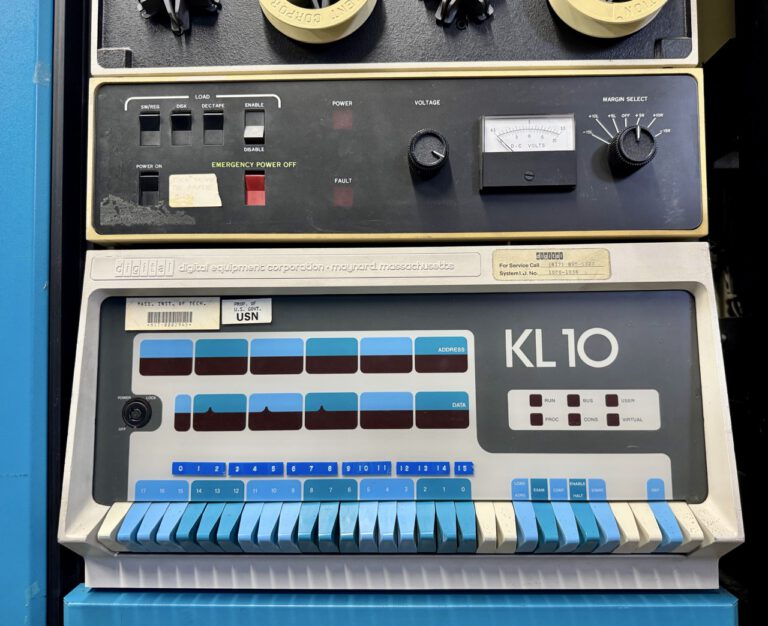
KICKI is a dual PDP-10 model KI10 sn 522 and 606. While KICKI is current in preservation, we hope one day to have it running again. As of June 2025 former DEC LCG FE Gary Solomon has confirmed that both 522 and 606 CPUs have a complete module complement with the UML.

To support the preservation of KICKI, please consider a donation today.

September 2025

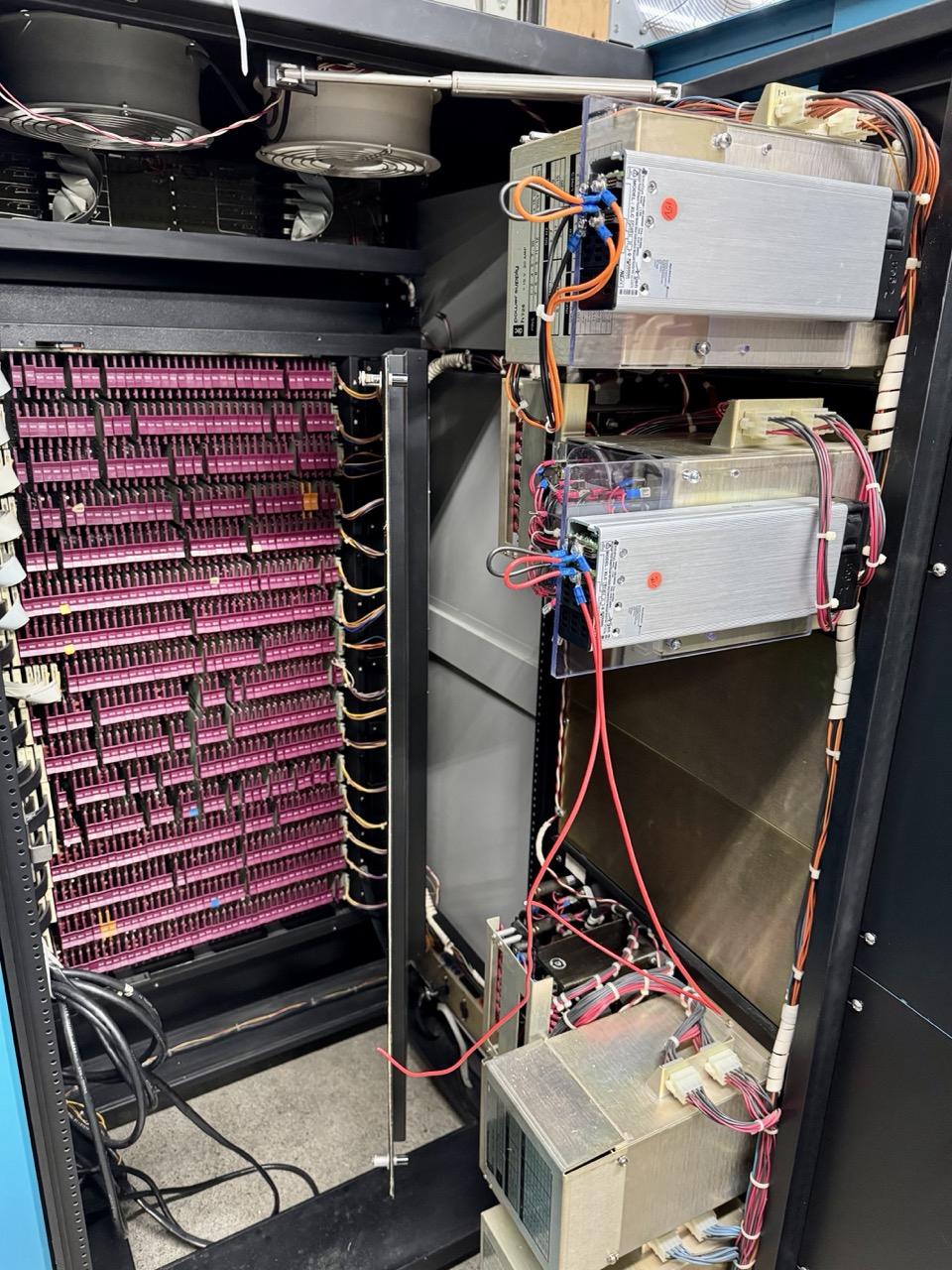
The power supply updates to bays 1 and 2 of the CPU have been completed and we have performed the first power up of those two bays together. Current draw is considerably much lower using the xcelsys modular switching supplies than the old DEC linear supplies. We completely by pass the old transformers, capacitors and full bridge rectifiers while leaving them in place and intact. https://toobnix.org/w/mZUSMmT9hGqWXXVWcSYptb
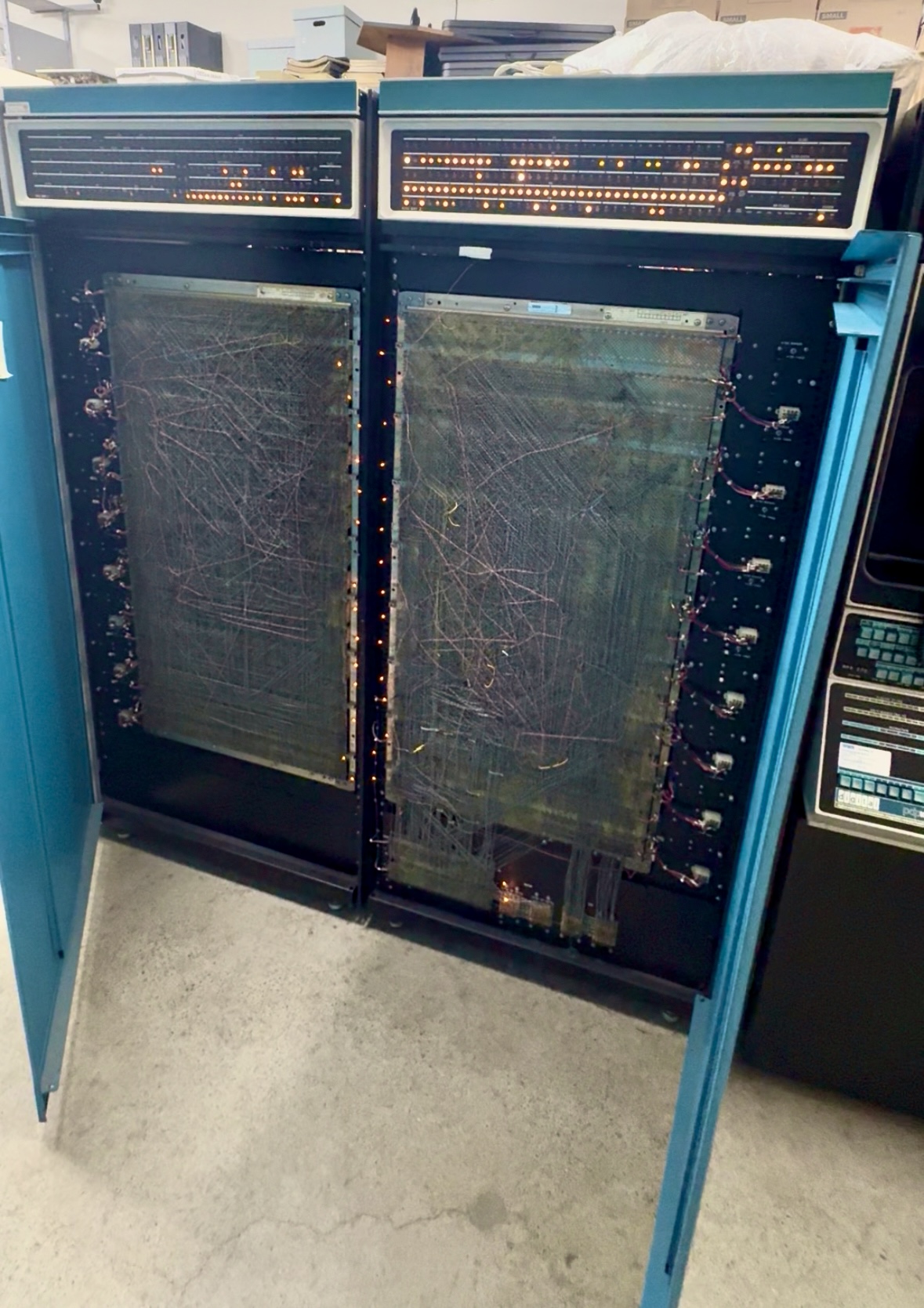
https://toobnix.org/videos/embed/mZUSMmT9hGqWXXVWcSYptb

August 2025

Modern high efficiency switching supplies are bypassing the original 8 linear supplies in the CPU. This modification is completely reversible and makes use of original wiring and mounting points. Here you can see two supplies being mounted and wring in progress. With this modification the KI10 will take significantly less power to run.

May 2025
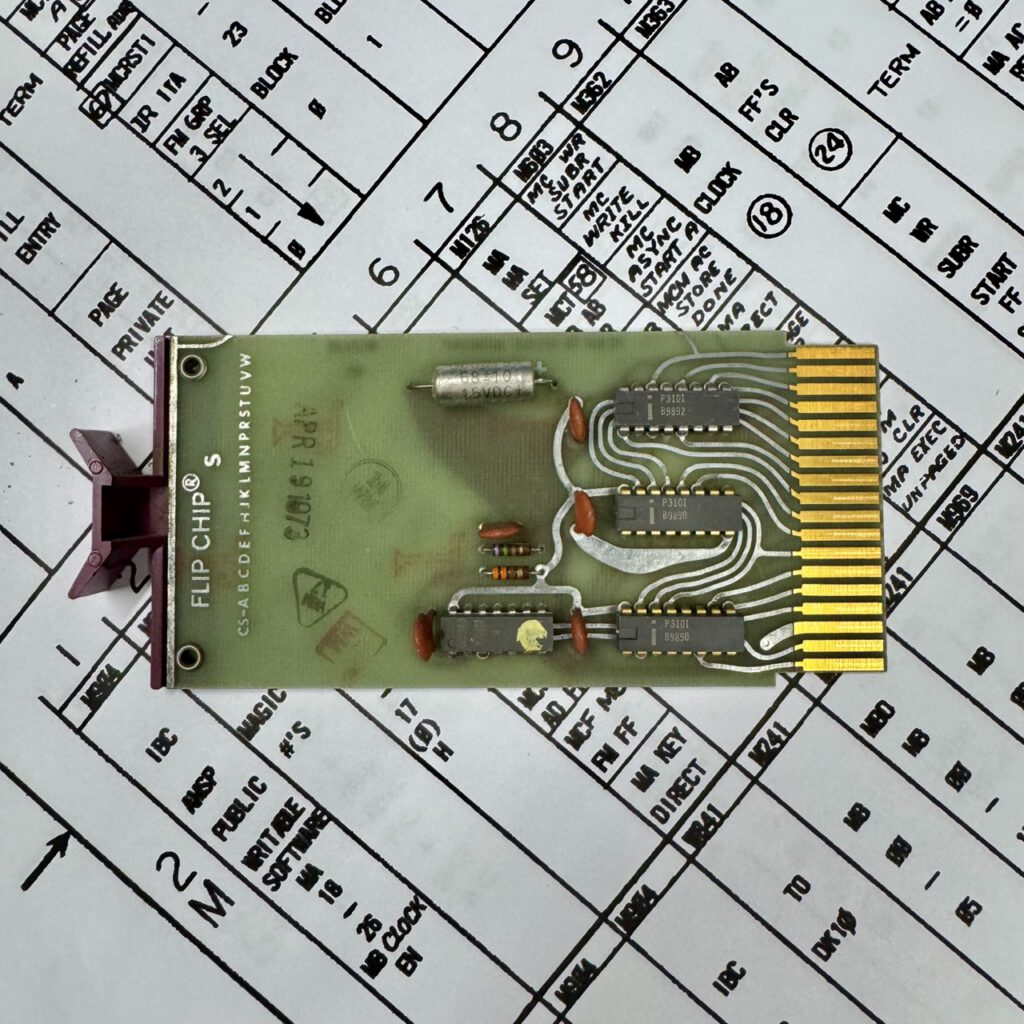
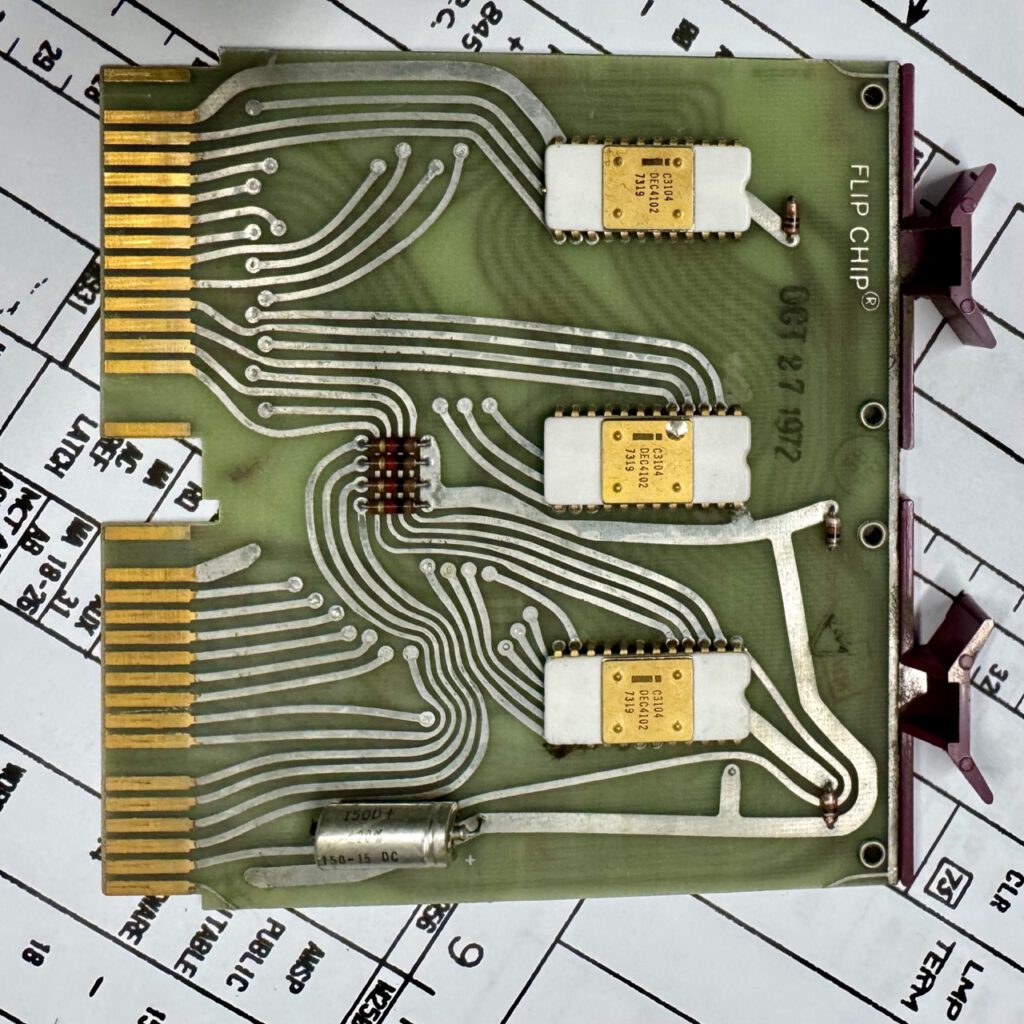
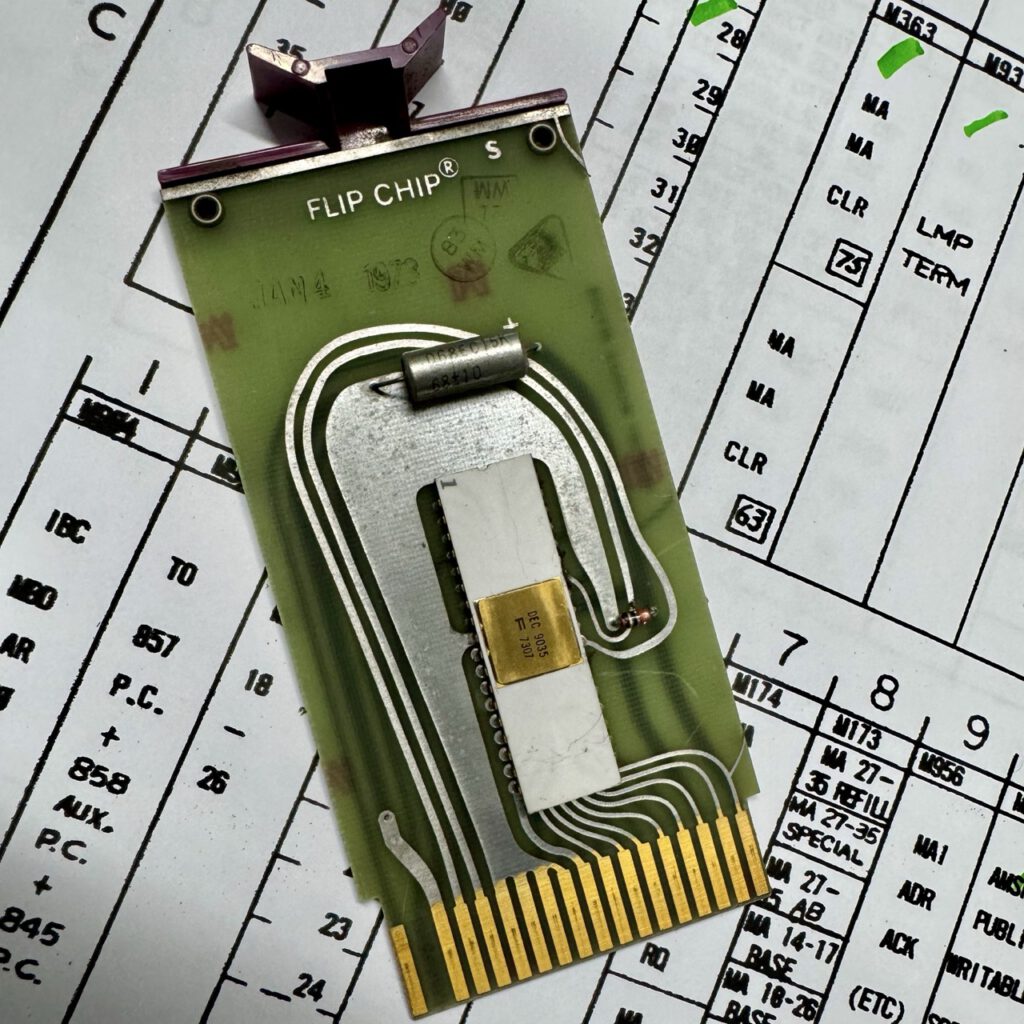
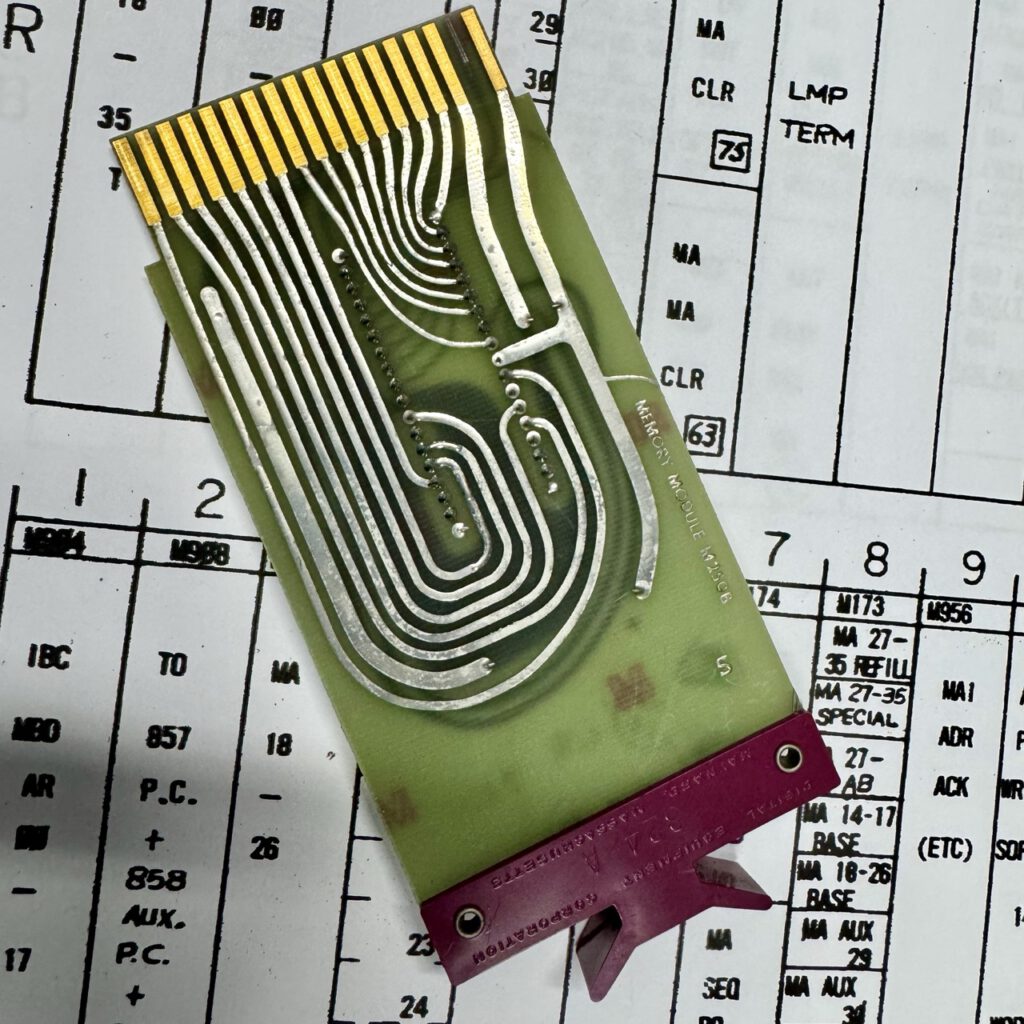
3 of some of the bespoke integrated circuits in the KI.
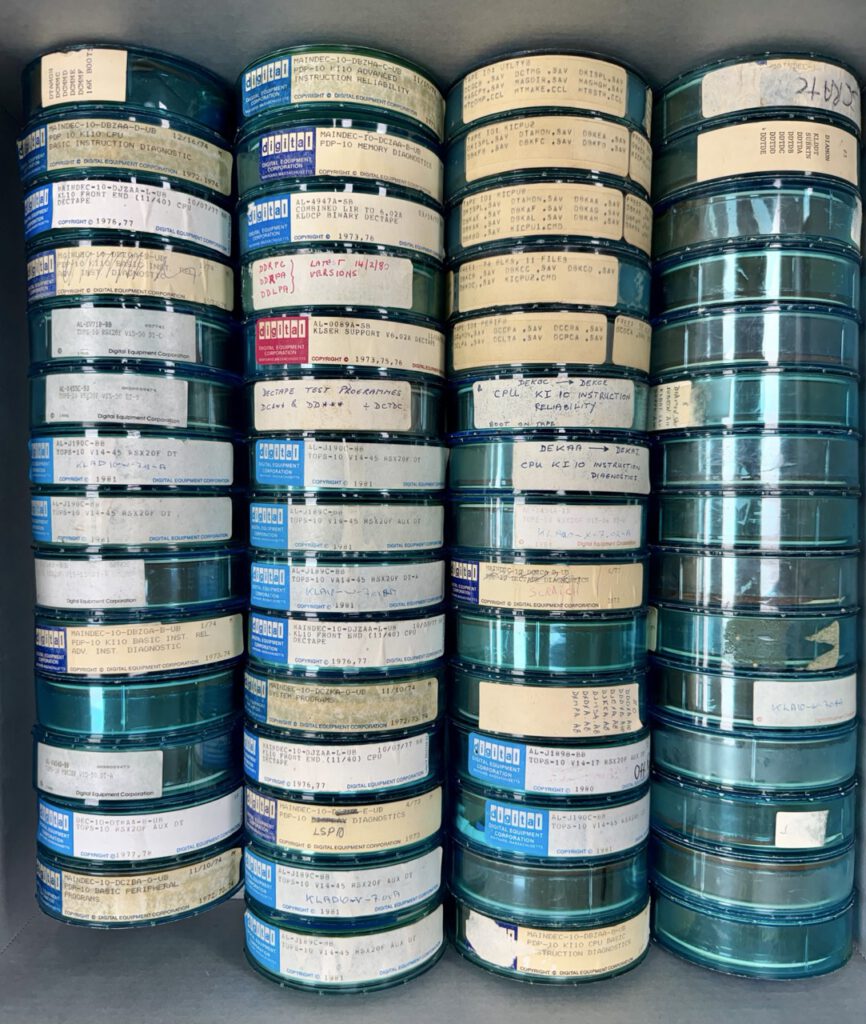
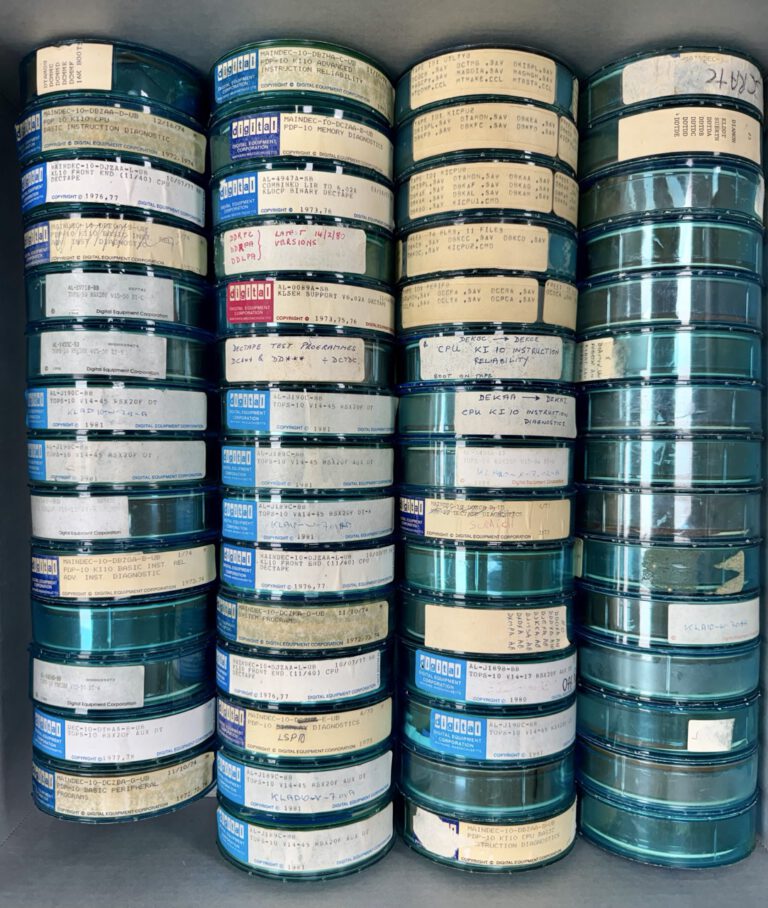
An assortment of DECtapes

Similar Posts

  • |

    Miss Piggy – a PDP-11/70

    Miss Piggy: A Legendary PDP-11/70 at Microsoft Miss Piggy was one of Microsoft’s central computing workhorses in the early 1980s, particularly supporting the End User Applications group responsible for developing key software such as Multiplan, Microsoft Word, and later Excel. It also hosted development tools including the p-code compiler and cross assemblers targeting platforms like the TRS-80. The system ran Xenix, Microsoft’s UNIX variant, which was…

  • |

    Archiving DECtapes

    Support for the project comes from your donations DECtape is a block-oriented magnetic media format more akin to the floppy disk than 9 track tape. There are four prevailing formats: LINC, 18, 16 and 12 bit. For years DEC distributed diagnostics, system distributions and sources on DECtape and our library consists of somewhere between 500…

  • |

    Centurion Computer Corporation

    The Centurion Computer Corporation CPU-6 was a mid-1970s minicomputer designed primarily for industrial control, data acquisition, and real-time processing applications. Built using TTL logic and early LSI components, the CPU-6 featured a 16-bit architecture with a relatively fast instruction cycle for its time, often under 2 microseconds. It supported both fixed-point and limited floating-point arithmetic…

  • |

    MIT-MC.ARPA

    MIT-MC.ARPA was a DECSYSTEM-10 KL10 Model 1080 operated by the MIT MACSYMA Consortium, serving as one of the most significant systems in the development of AI and symbolic computation during the 1970s and early 1980s. Running the Incompatible Timesharing System (ITS), MC provided a uniquely open and collaborative computing environment where many pioneering software systems…

  • |

    Thinking Machines Connection Machine 2

    Thinking Machines Connection Machine 2 (CM-2) Preservation of this artifact is made possible through a donation from the Amara Foundation. Introduced: 1987Manufacturer: Thinking Machines Corporation (Founded by Danny Hillis and Sheryl Handler)Architecture: Massively parallel SIMD (Single Instruction, Multiple Data) Principal Designers & Contributors Danny Hillis is a computer scientist, inventor, and entrepreneur best known as the visionary behind the Connection…

  • | |

    Boeing’s PDP-7a

    Boeing News – November 14, 1968 In November 1968, Boeing engineers demonstrated to Brigadier General Mahlon E. Gates, Commanding General of the Army’s Sentinel Logistics Command, a hybrid computing system built around a DEC PDP-7A and a Type 340 graphics display. The PDP-7A functioned as an interactive front-end processor, handling light-pen input and real-time display…

2 Comments

  1. Just one minor nit: if this is a dual KI system, then the model number would be 1077. It must have started life as a single-CPU system (1060), to which they added the second CPU, which would have made it (in marketing-ese) a 1077.

    What I can’t remember is whether or not KI10 systems ever supported SMP. Unfortunately none of the SIMH-based simulators (except for the forked Multics/Honeywell one) support multiple emulated CPUs, as far as I know.

    1. Managed to find those neurons about DEC-10 SMP, which as it turns out was only supported on KL10s.

      by the way – I find I have the following PDF files relevant to the KI-10:

      1726931 Nov 17 2006 A_Document_On_The_KI10_Apr73.pdf
      13794106 Aug 17 2006 KI10 Preliminary Processor Maintenance Manual_1972.pdf
      18895268 Apr 7 2001 KI10 ProcMaintMan.pdf
      55630947 Jun 25 2001 KI10 Schematics.pdf

      If any of these are at all useful, contact me at the e-mail address to let me know and I’ll send them.

Leave a Reply to John Francini Cancel reply

Your email address will not be published. Required fields are marked *