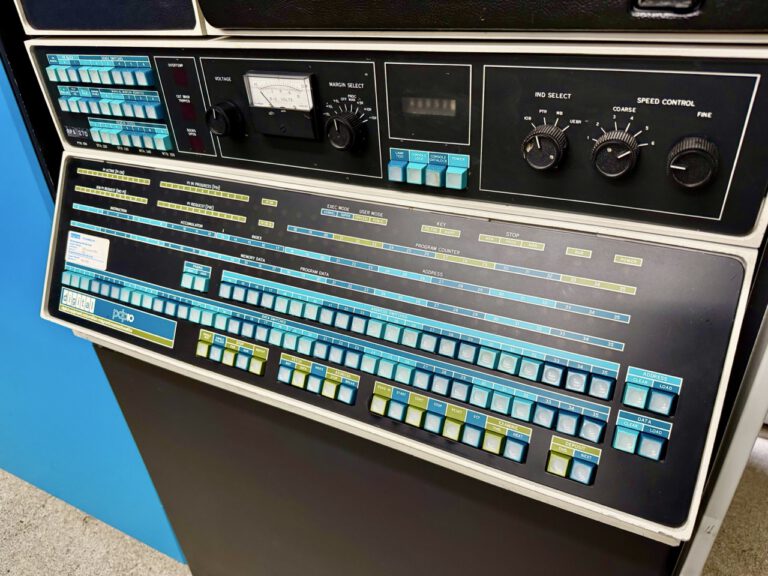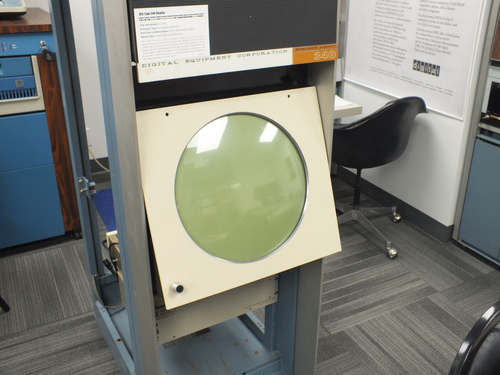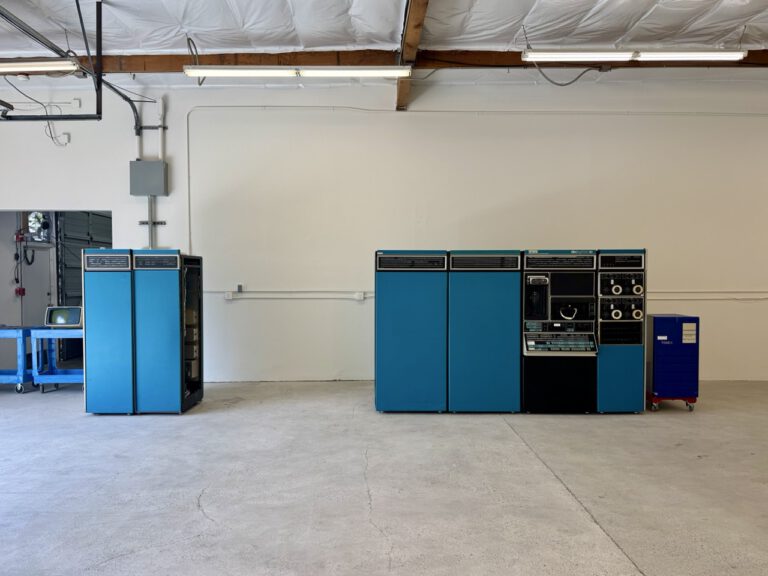
Miss Piggy – a PDP-11/70
Miss Piggy: A Legendary PDP-11/70 at Microsoft
Miss Piggy was one of Microsoft’s central computing workhorses in the early 1980s, particularly supporting the End User Applications group responsible for developing key software such as Multiplan, Microsoft Word, and later Excel. It also hosted development tools including the p-code compiler and cross assemblers targeting platforms like the TRS-80. The system ran Xenix, Microsoft’s UNIX variant, which was maintained and extended over time from Version 7 UNIX to System III and V.
Miss Piggy originally came online after a single PDP-11/70 system proved inadequate for Microsoft’s growing needs. To manage the increasing workload—particularly as email use expanded rapidly throughout the company—a second PDP-11/70 was brought in and named Miss Piggy, while the first became Kermit. The DECsystem-20 used for cross-development (eventually named Gonzo) was also part of this muppet-themed naming scheme, selected through a company-wide vote around March 1982.
Miss Piggy was not just a dev server; it became the primary email host for many Microsoft staff, including Bill Gates. In fact, during one crisis when the system failed, Gates had to use the console LA-120 DECwriter to print out an important email before a speaking engagement—leading to an all-night repair session to identify a memory failure.
In its heyday, Miss Piggy played a role in:
- Hosting internal email and messaging systems, including Henry’s custom windowing email frontend—an early precursor to Microsoft Windows.
- Supporting the EU group’s development work, including porting efforts to the Motorola 68000 architecture.
- Connecting Microsoft’s office buildings via a proprietary serial-based email transport system called Micnet, running over 9600 or 19.2k baud lines.
- Running on Microsoft’s corporate Ethernet (3 Mbps, vampire taps on thicknet).
By 1986, the Northup building was vacated and Miss Piggy, Kermit, Bert, and Ernie (two 11/45s used mainly as relays) were all retired and surplussed to Apex Computer. The DECsystem-20 was retired at the same time. These systems were integral to Microsoft’s early internal infrastructure before widespread PC-based development and networking took hold.
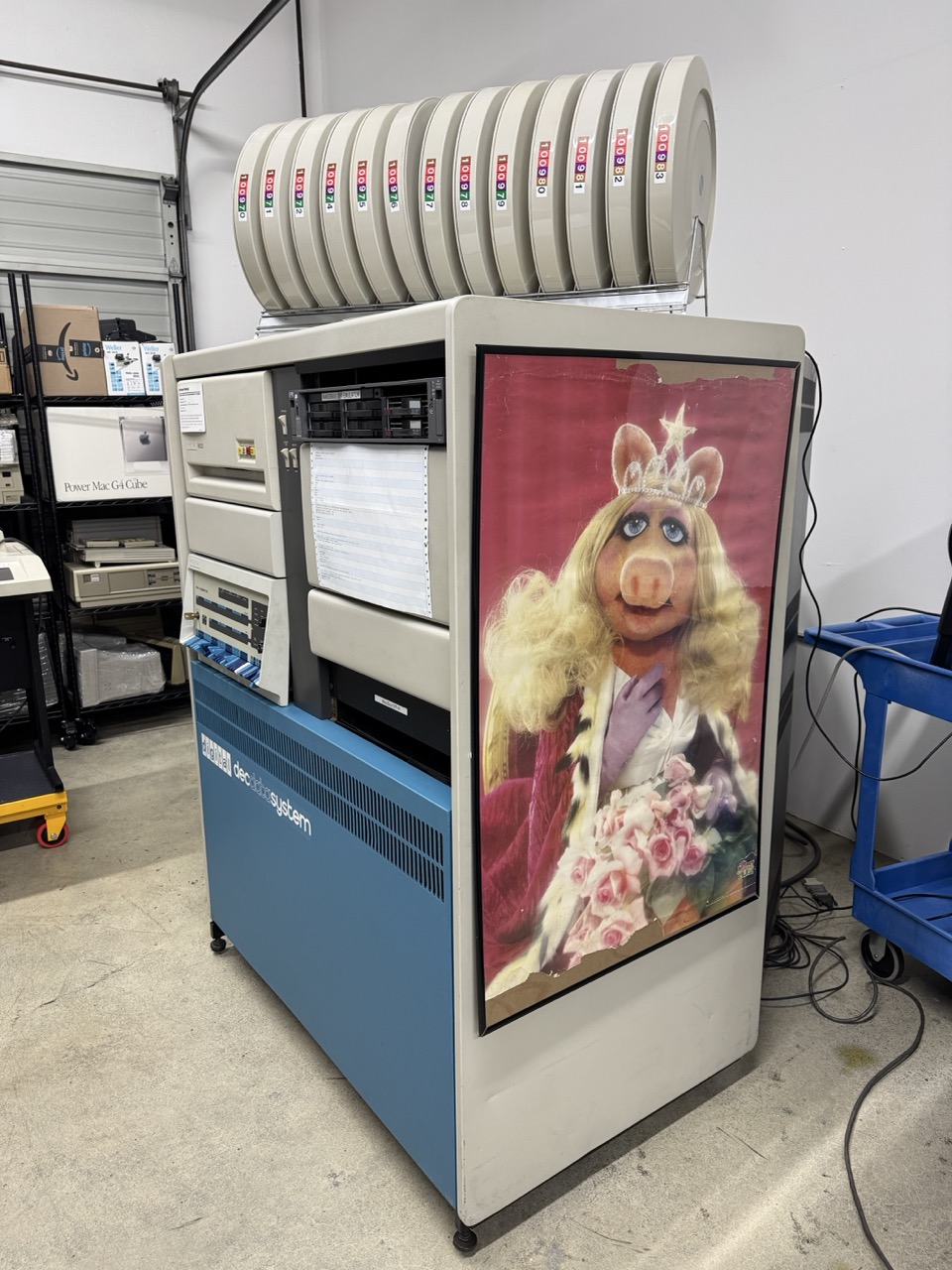
The system had personality: a poster of Miss Piggy adorned its cabinet, distinguishing it from Kermit, which had a stuffed frog doll. Administrators like Neal Friedman worked closely with brilliant engineers like Chuck Huffington to align kernel configurations across Miss Piggy and Kermit, easing maintenance.
Miss Piggy’s legacy is not just in its hardware or role, but in its pivotal support of the foundational software that would define Microsoft’s rise in the personal computing era.
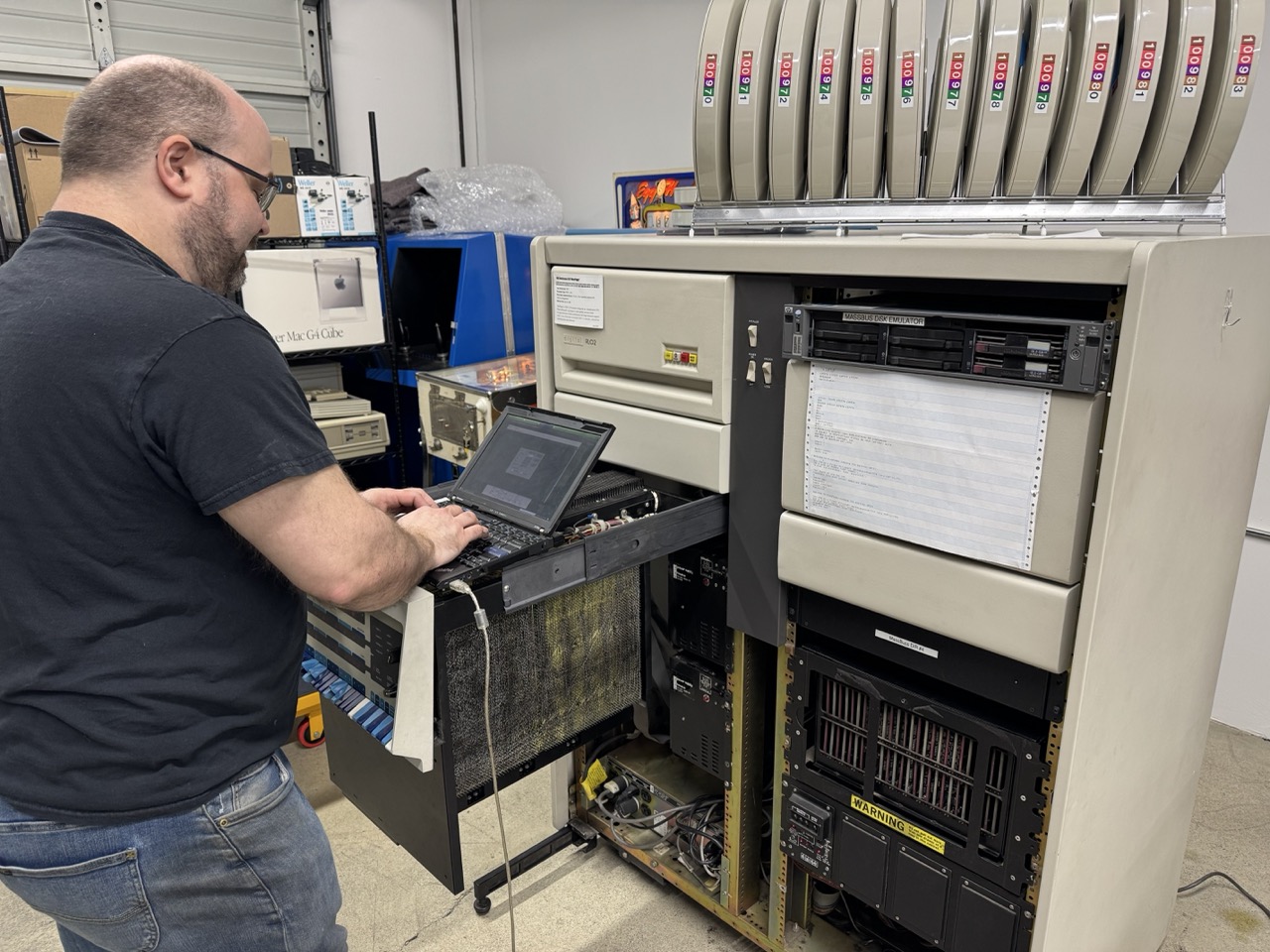
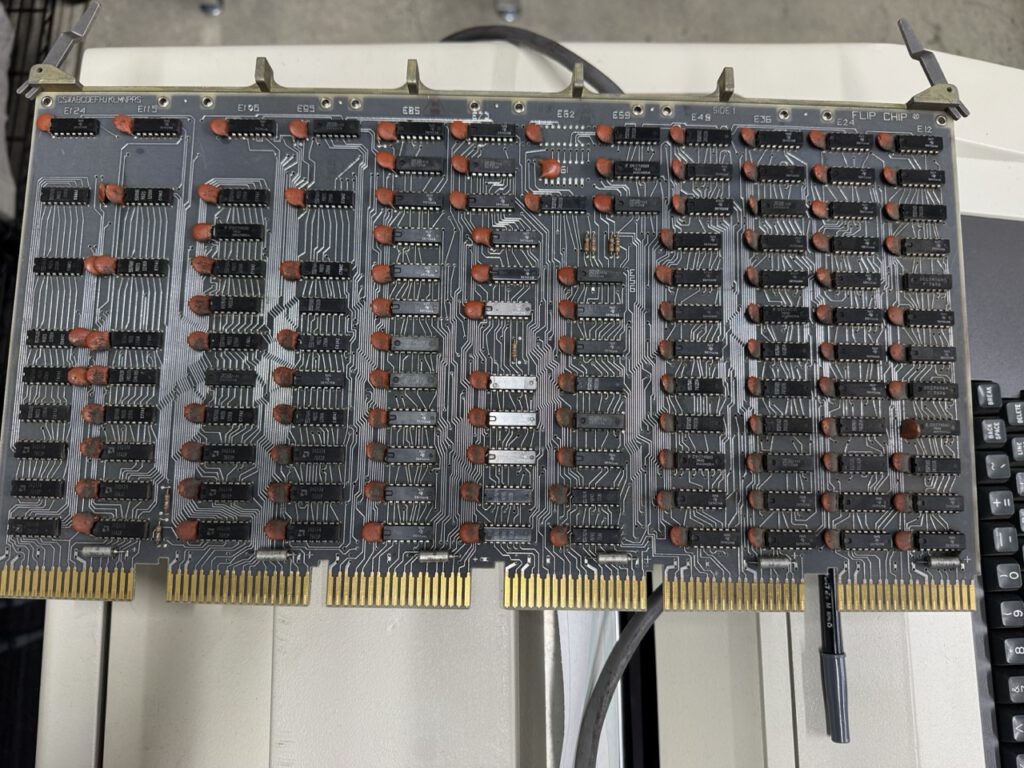
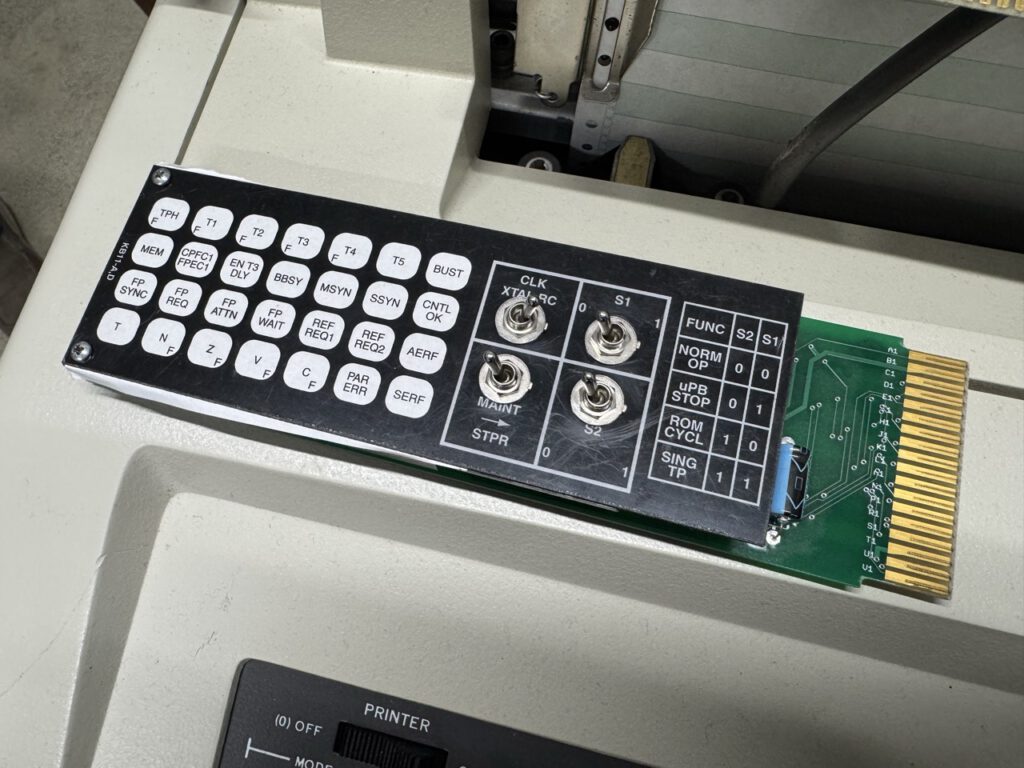
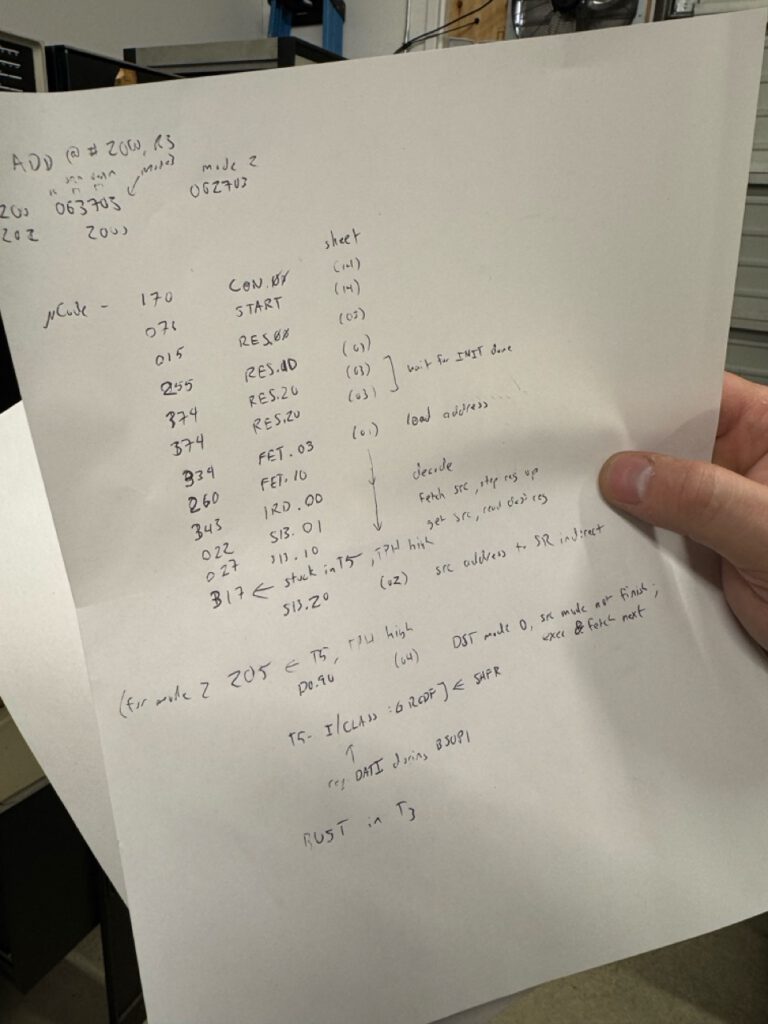
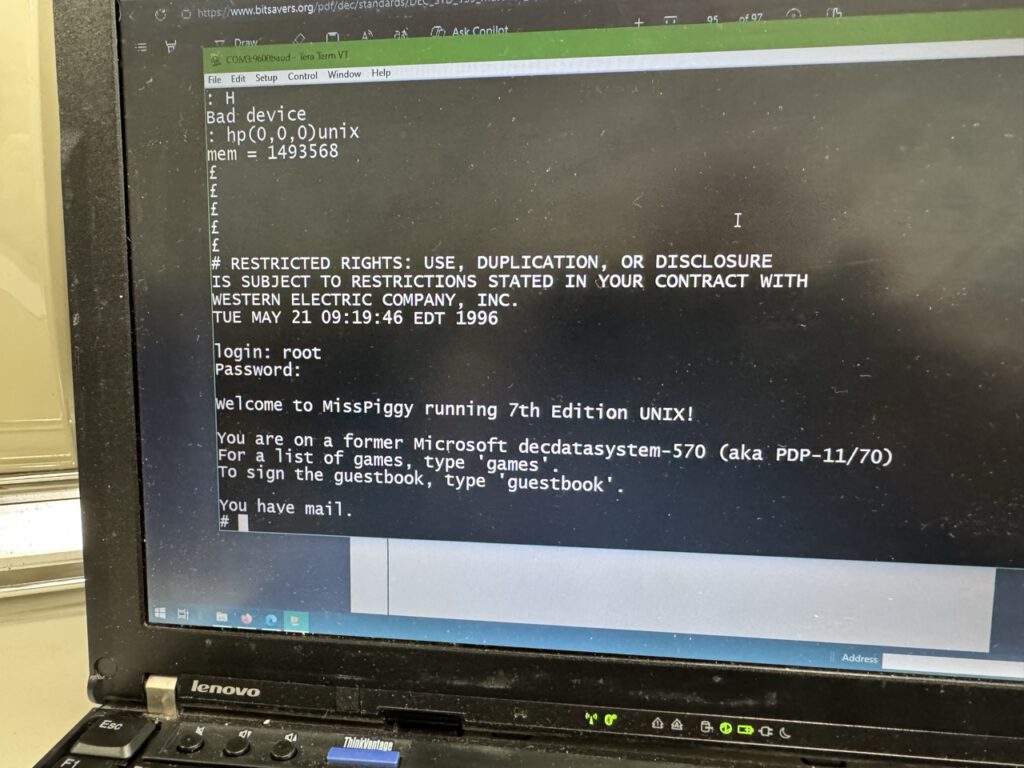
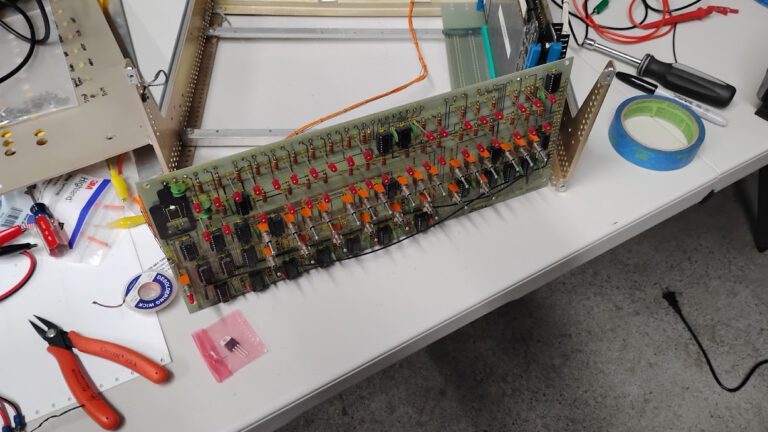
In bringing Miss Piggy up we discovered that there may be a hardware issue. After double checking MASSBUS cabling, Josh Dersch decided to debug the microcode. Guy Sotomayor recreated a useful DEC Field Service board that allows for single stepping of the microcode. After some investigation Josh determined that there was a bad PROM which was causing the microcode to fail. Fortunately we had a spare board nearby and swapping in that board allowed Miss Piggy to once again run UNIX Version 7.