Galaxy Game
Galaxy Game: Restoring the First Coin-Op Video Game
To support the preservation of Galaxy Game, please consider a donation today.
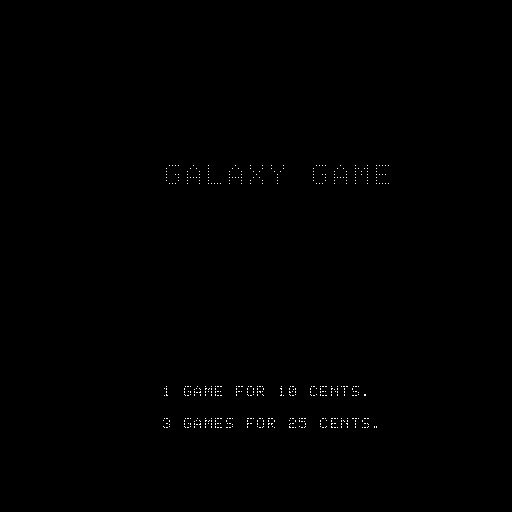
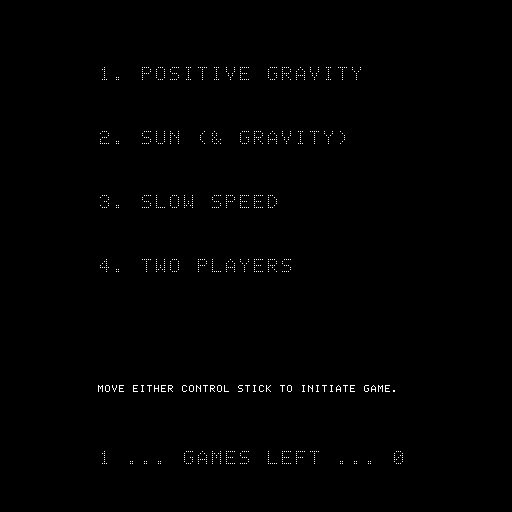

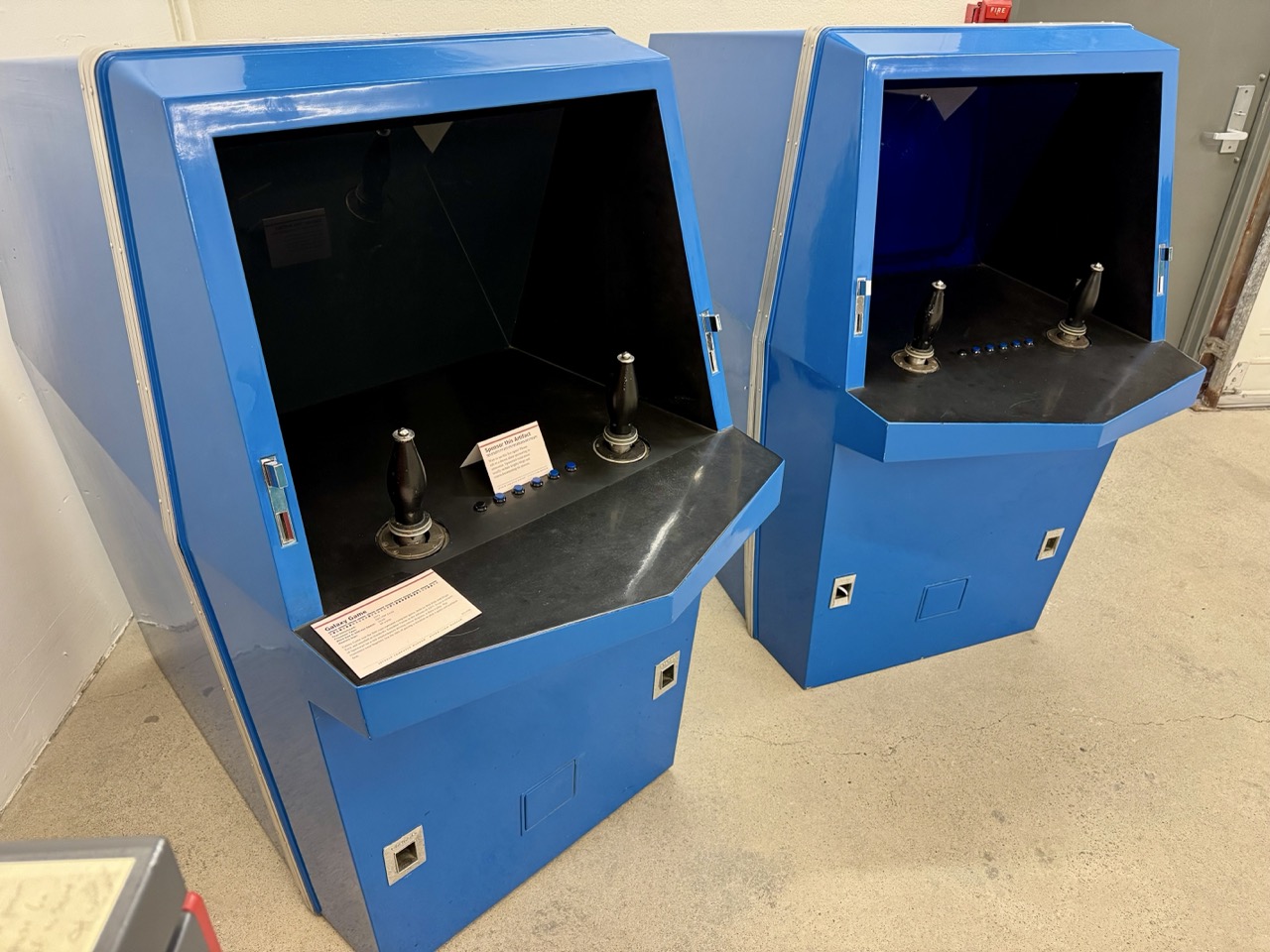
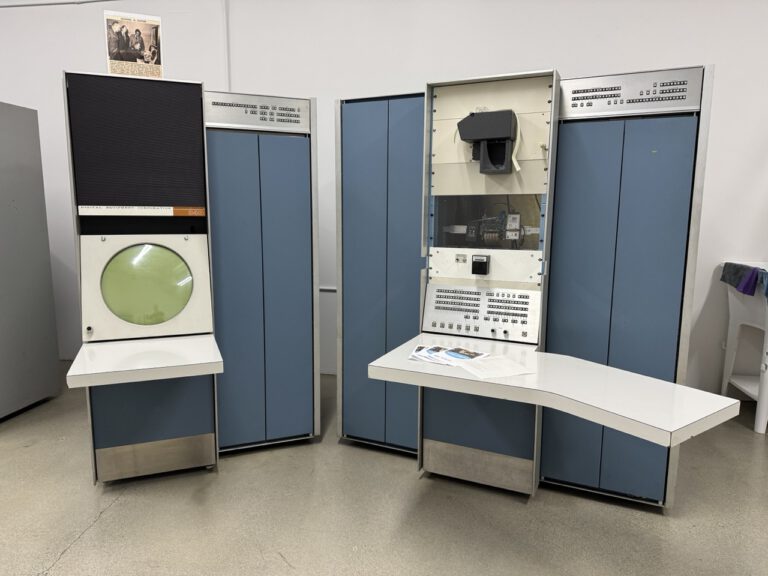
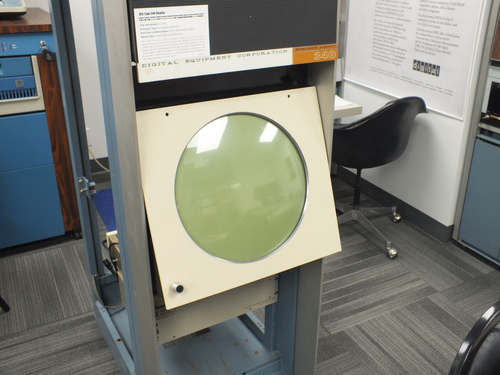
Galaxy Game in action (MAME) and as it is currently displayed
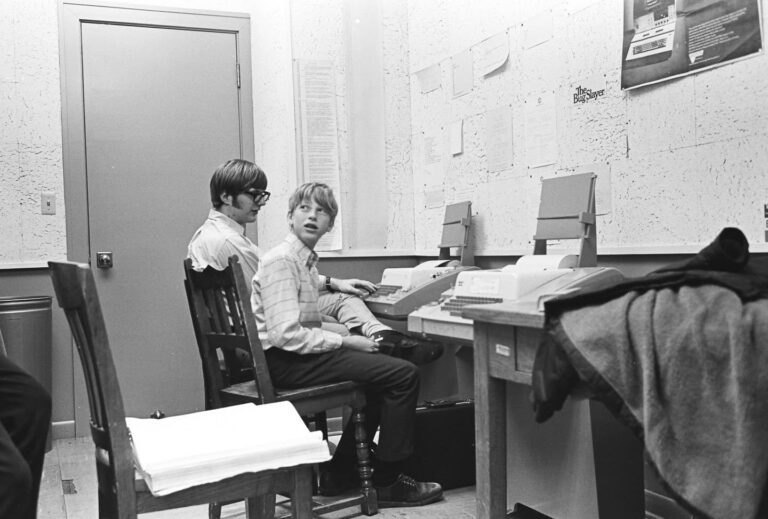
Spacewar! was written on the PDP-1 at MIT in 1962 and spread wherever there was a display to run it, including the PDP-6 and later PDP-10 at the Stanford AI Lab, where Bill Pitts spent his nights playing it. It even made the jump to smaller machines like the Imlac PDS-1. In 1971 two teams set out to put it in front of the paying public. Nolan Bushnell and Ted Dabney looked at a Data General Nova, found it wasn’t up to the job, and built Computer Space for Nutting Associates instead: dedicated TTL logic and a closeout mid-1960s GE television with the video hacked into the IF, a cabinet built to eat dimes and quarters. It went into production and won the market. Pitts and Hugh Tuck went the other way.
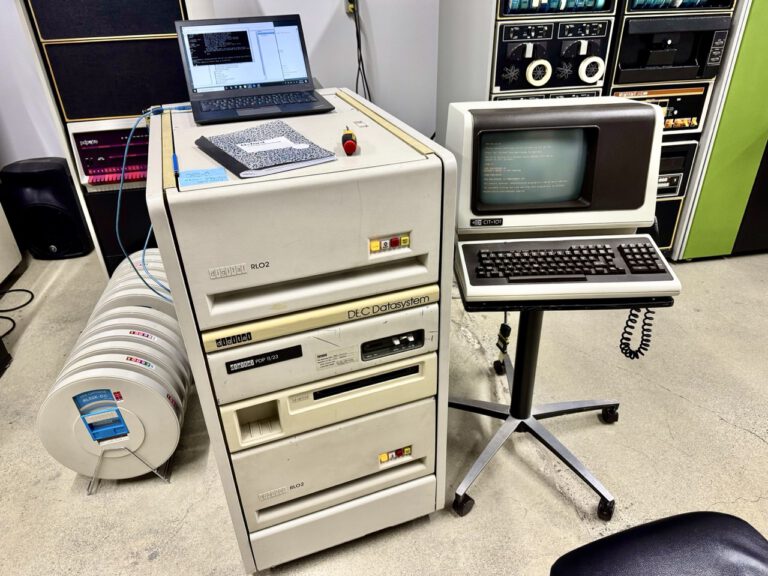
Galaxy Game, installed at Stanford’s Tresidder Union in September 1971, was the Cadillac of Spacewars. It ran on a real PDP-11/20 with 8K bytes of core, a point-plotting display interface designed by Ted Panofsky, and an HP 1300A electrostatic X-Y display, with a faithful PDP-11 re-implementation of SAIL’s PDP-10 Spacewar. No amount of dimes and quarters was ever going to pay for that hardware, however long the lines got, and they got up to an hour long. Pitts didn’t care: he wanted an authentic experience in the direct line of the PDP-1, PDP-6 and PDP-10 game. A 1972 revision let one PDP-11 drive multiple consoles, and it ran until 1979 when the display processor finally gave out. Pitts and Panofsky revived it in 1997.
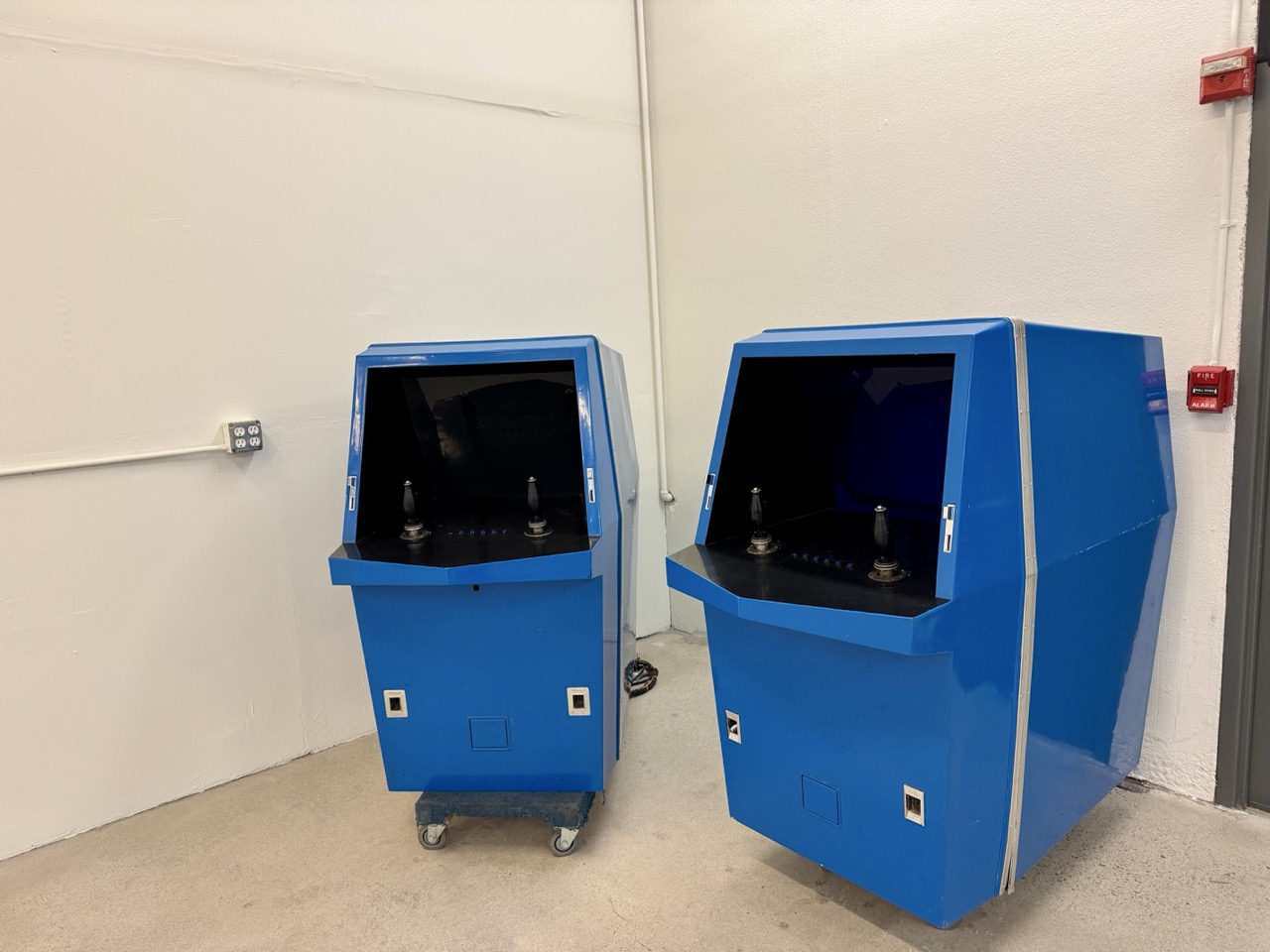
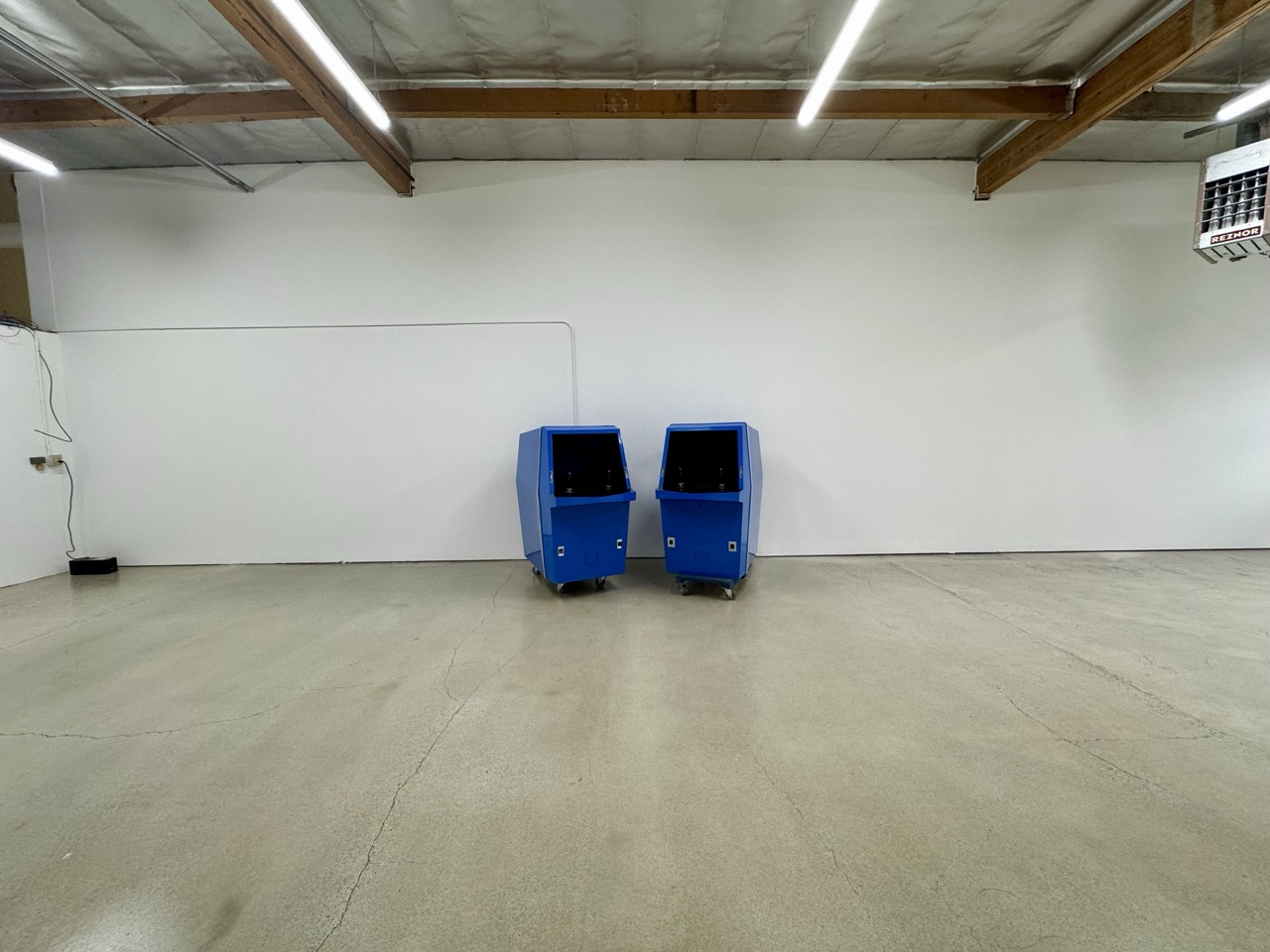
Galaxy Game cabinets staged for Labor Day Weekend 2026
Galaxy Game has now come to ICM for another restoration, instigated by Bill Pitts, Josh Dersch and Robert Schmuck. The PDP-11’s power supply has been rebuilt and the machine is running. The HP 1300A displays are next, and they need a full refurbishment: these are 20 kV electrostatic-deflection tubes with a diode-ladder high voltage supply, and after fifty years they are dim and out of focus. That means working through the deflection amplifiers, the HV multiplier and the focus circuitry to get back the sharp, bright vectors players lined up for in 1971.
You can come see Galaxy Game on display at ICM now, and you can play it today under MAME. If you’d like to help bring the real thing back to life, please consider supporting this restoration.