| |

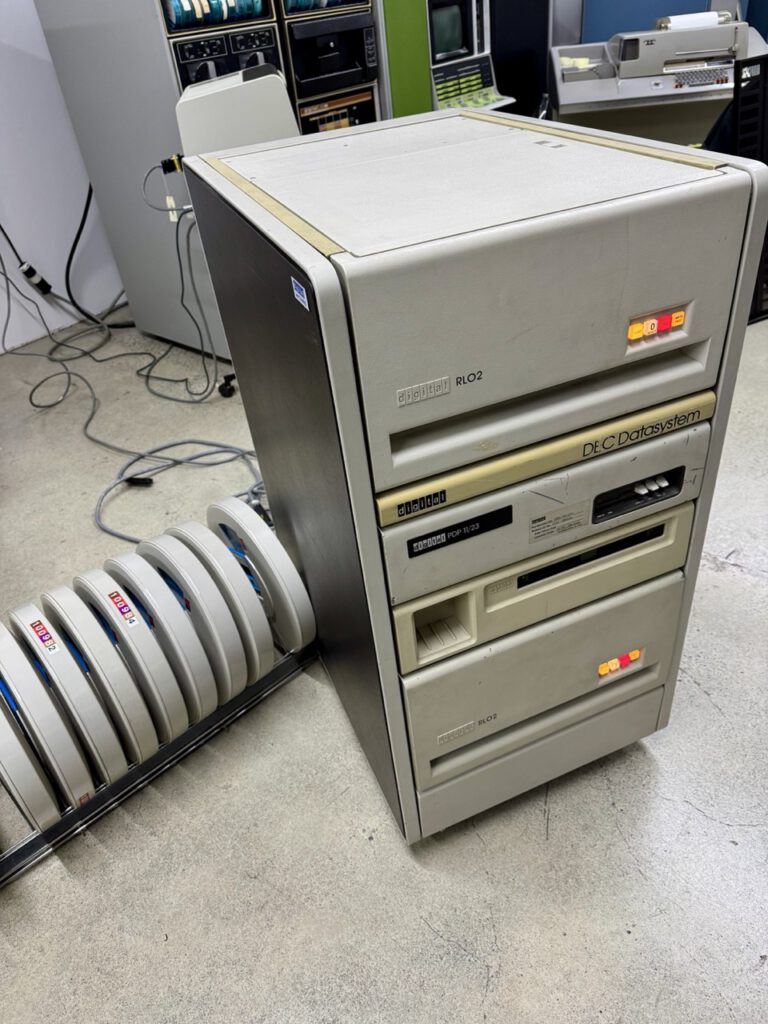
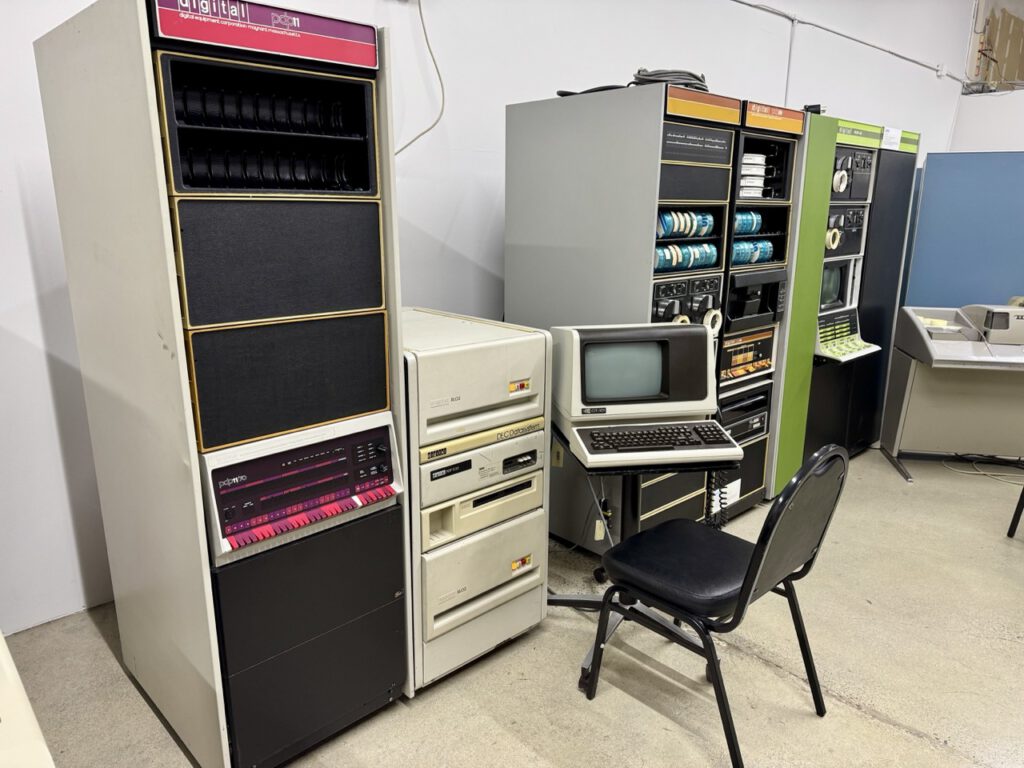
DEC Datasystem PDP-11/23+
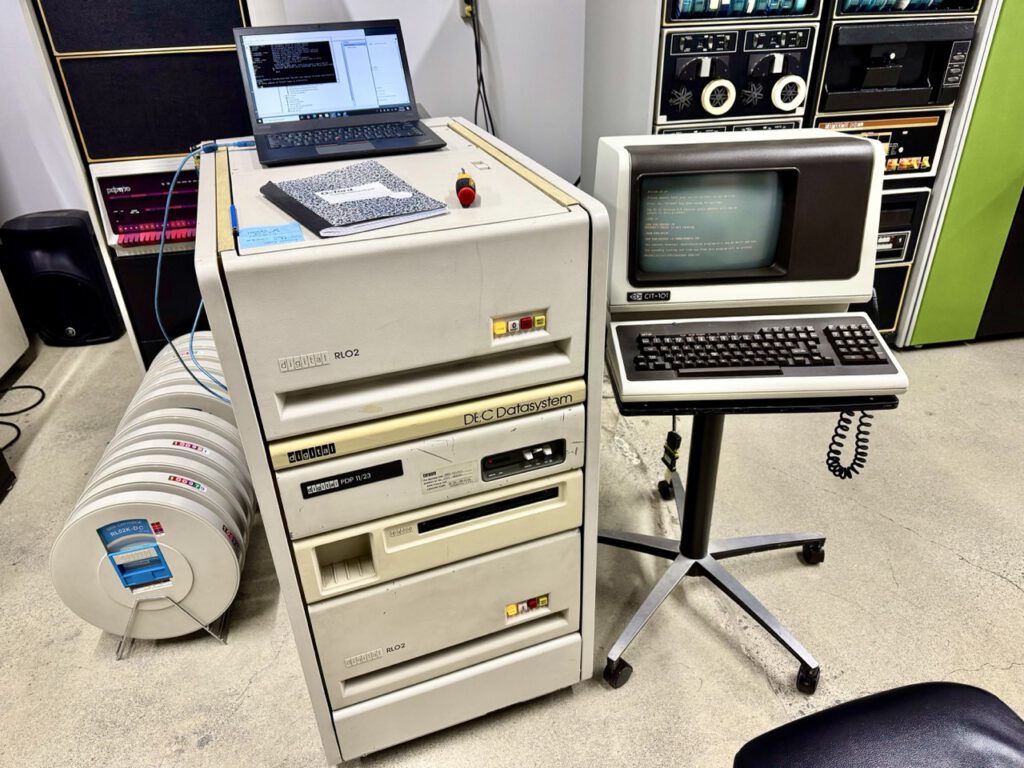
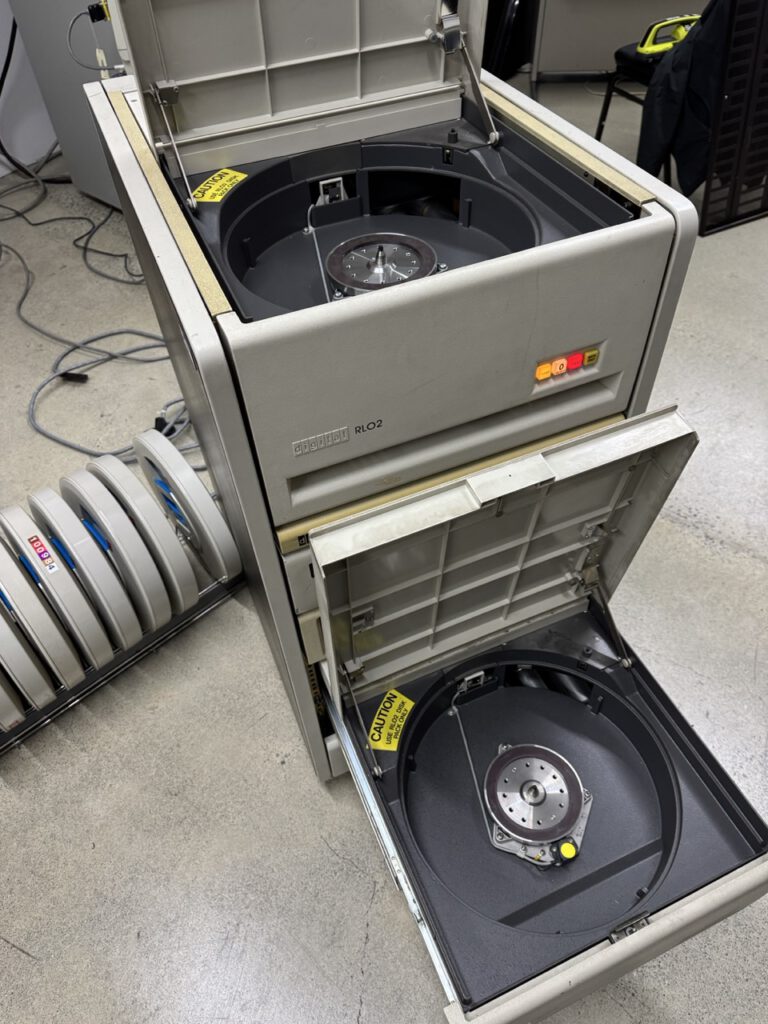
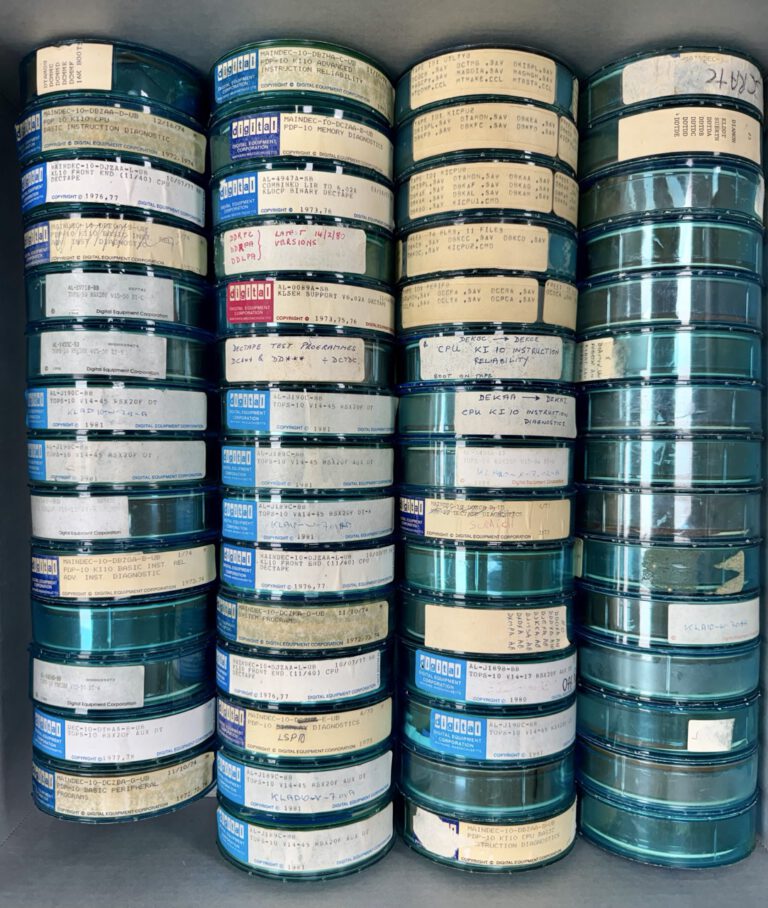
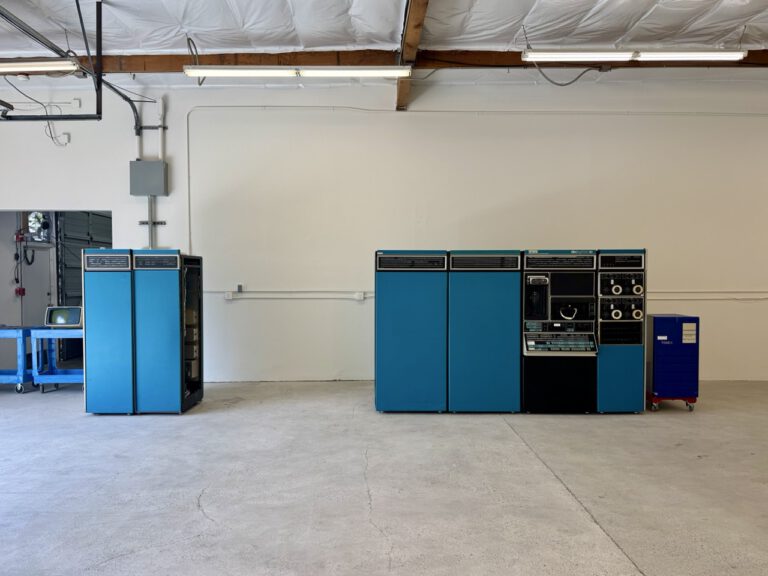
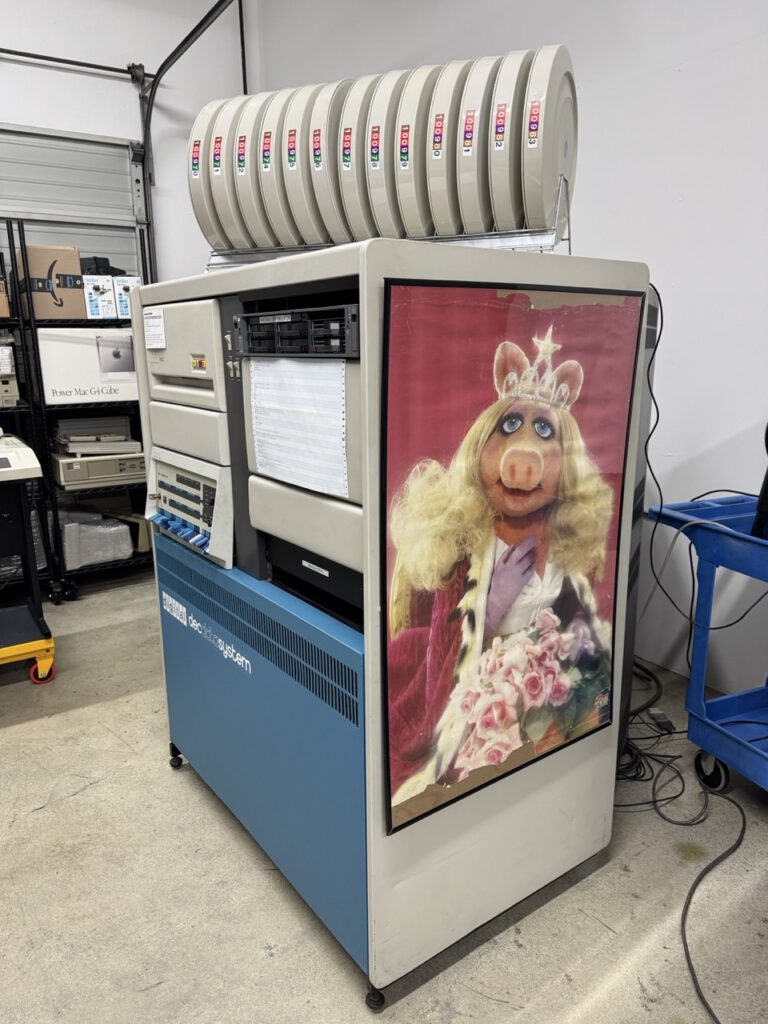
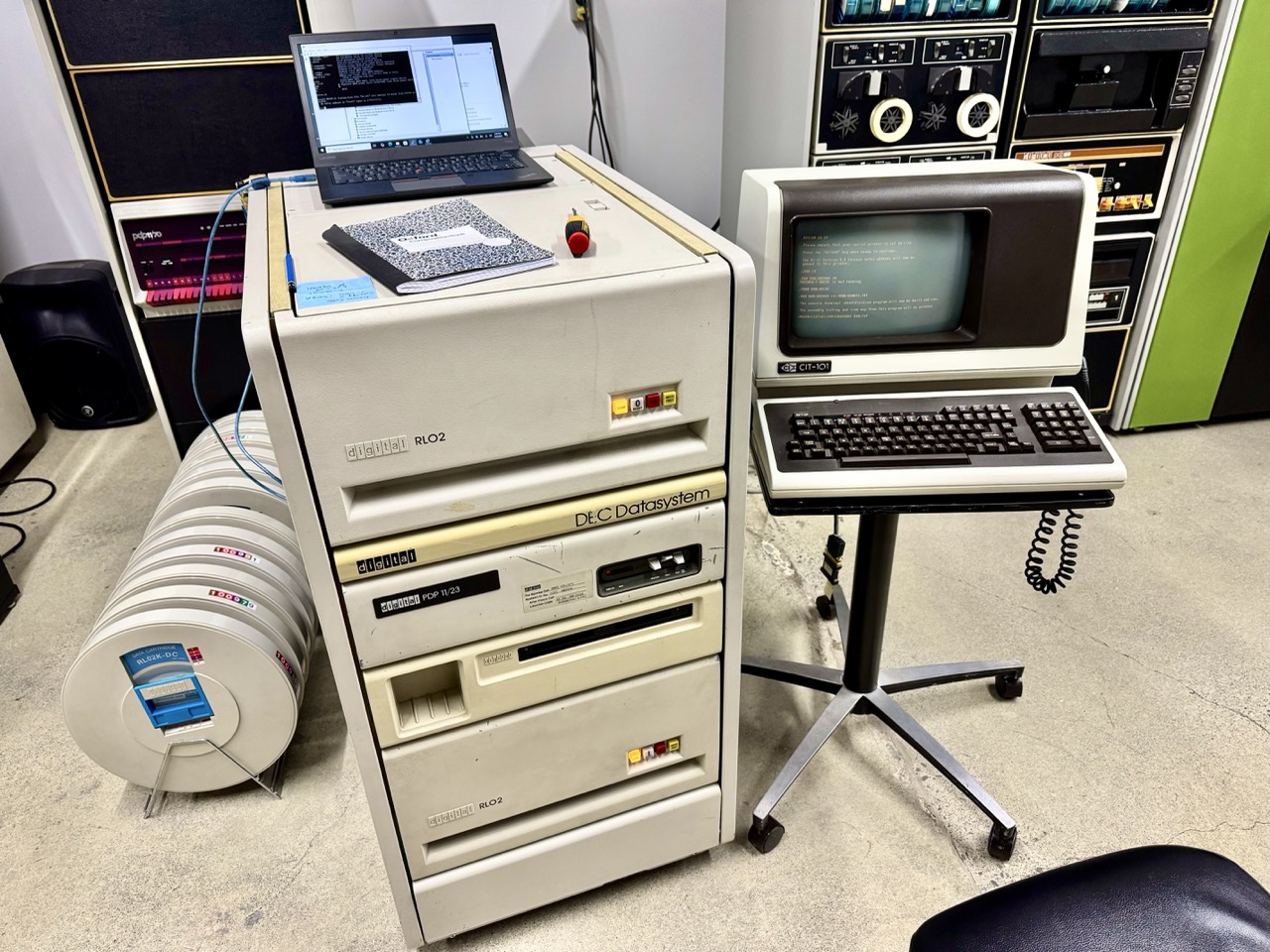
This PDP-11/23+ comes from Earl Evans in Tigard, OR and has been kept in very good condition over the years. Earl had gone through a collection of dozens of RL02 10MB packs and put together a few with TSX and RT11 operating systems. Along with spare boards there is serial line cabling and bulkheads, a Qbus backplane and a PDP-11/03 (unpopulated).

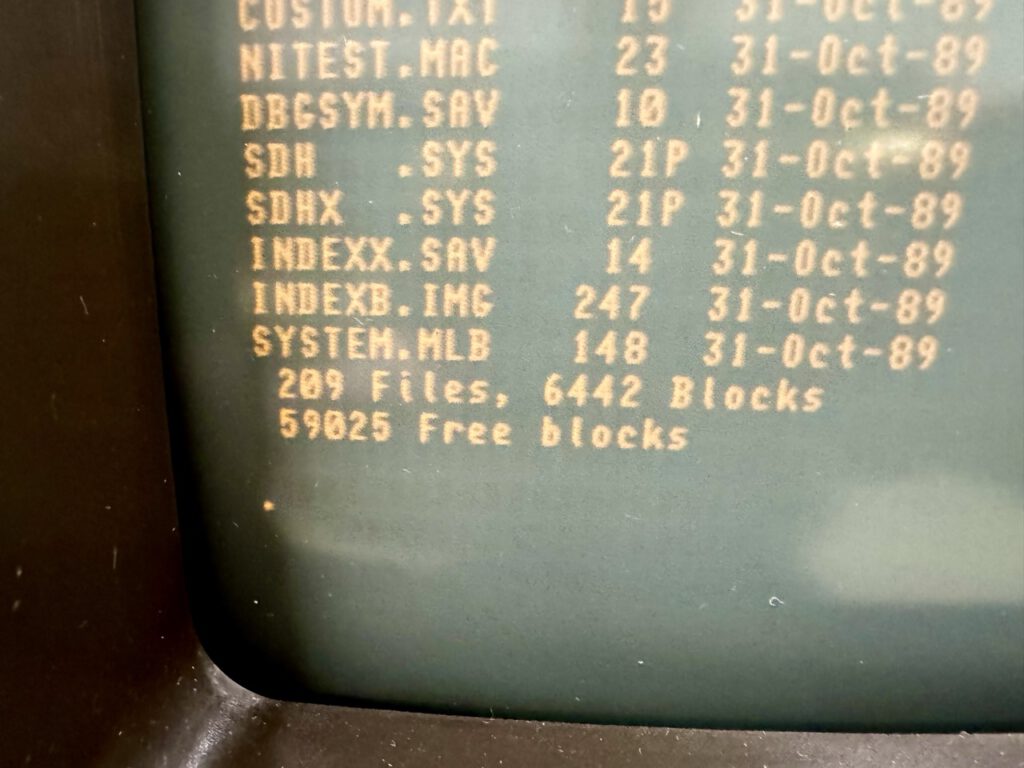
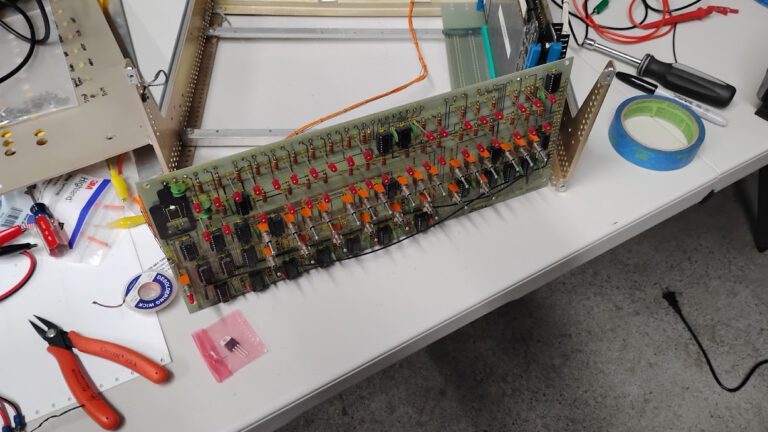
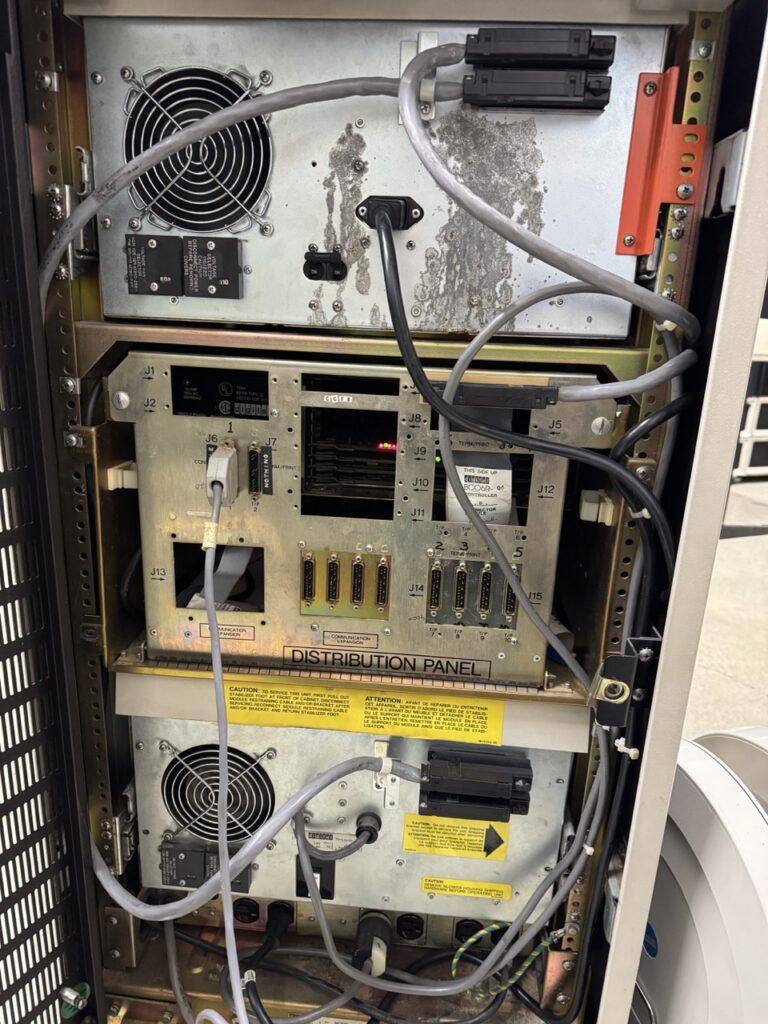
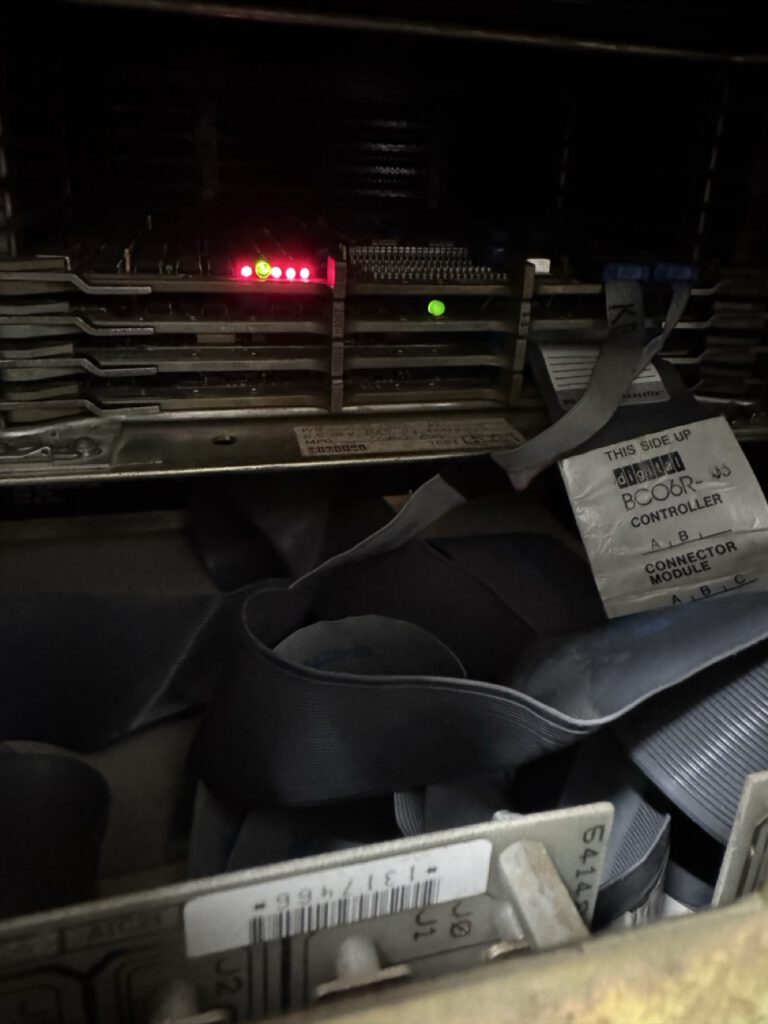
Josh Dersch came down to help setup the Q-Bone provided by https://decromancer.ca. The Q-Bone is a powerful half width Q-BUS device with an integrated Beagle Bone built right on the board. It can provide several helpful features such as memory, tape and disk emulation. What we’d like to use this machine for is for software preservation of RL02 data and the ability to run RSTS/e v9.5 with virtual terminal emulation listening on a TCP port. Once that is set up, we’ll likely keep the RL02s powered off and add the PDP-11/23+ to the growing list of Vintage Remote Systems.
RSTS/e is a timesharing system that is quite similar to TOPS-10 on the PDP-10, but it was initially focused more on the education market with its primary user language being DEC BASIC. RSTS/e developed over the years to be a more feature rich timesharing system, but it is a great window into what low cost communal computing looked like in the late 1970s and into the 1980s.
Similar Posts

  • Current Exhibits

    This post documents most of the current exhibits as well as preserves what has been on display and highlights what is new. It is organized as top being the current exhibition organized in groups by area. All exhibits are considered permanent unless noted as a rotating exhibit. Remotely accessible machines are noted as OnLINE. September…

  • | |

    Boeing’s PDP-7a

    Boeing News – November 14, 1968 In November 1968, Boeing engineers demonstrated to Brigadier General Mahlon E. Gates, Commanding General of the Army’s Sentinel Logistics Command, a hybrid computing system built around a DEC PDP-7A and a Type 340 graphics display. The PDP-7A functioned as an interactive front-end processor, handling light-pen input and real-time display…

  • |

    Archiving DECtapes

    Support for the project comes from your donations DECtape is a block-oriented magnetic media format more akin to the floppy disk than 9 track tape. There are four prevailing formats: LINC, 18, 16 and 12 bit. For years DEC distributed diagnostics, system distributions and sources on DECtape and our library consists of somewhere between 500…

  • |

    Miss Piggy – a PDP-11/70

    Miss Piggy: A Legendary PDP-11/70 at Microsoft Miss Piggy was one of Microsoft’s central computing workhorses in the early 1980s, particularly supporting the End User Applications group responsible for developing key software such as Multiplan, Microsoft Word, and later Excel. It also hosted development tools including the p-code compiler and cross assemblers targeting platforms like the TRS-80. The system ran Xenix, Microsoft’s UNIX variant, which was…