DEC LINC-8: A PC?
Aren’t You Glad You Used DIAL?
Oct 18, 2026 · @Stephen
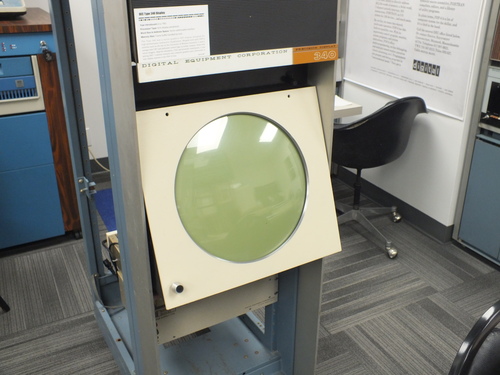
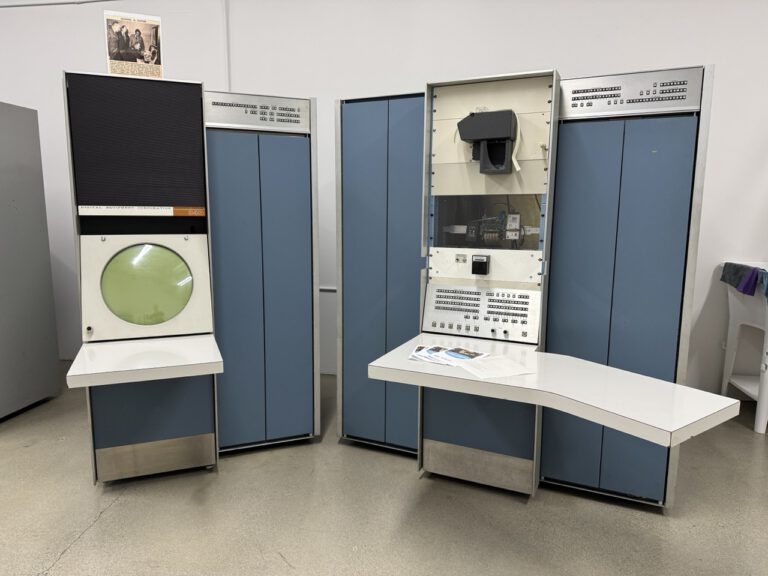
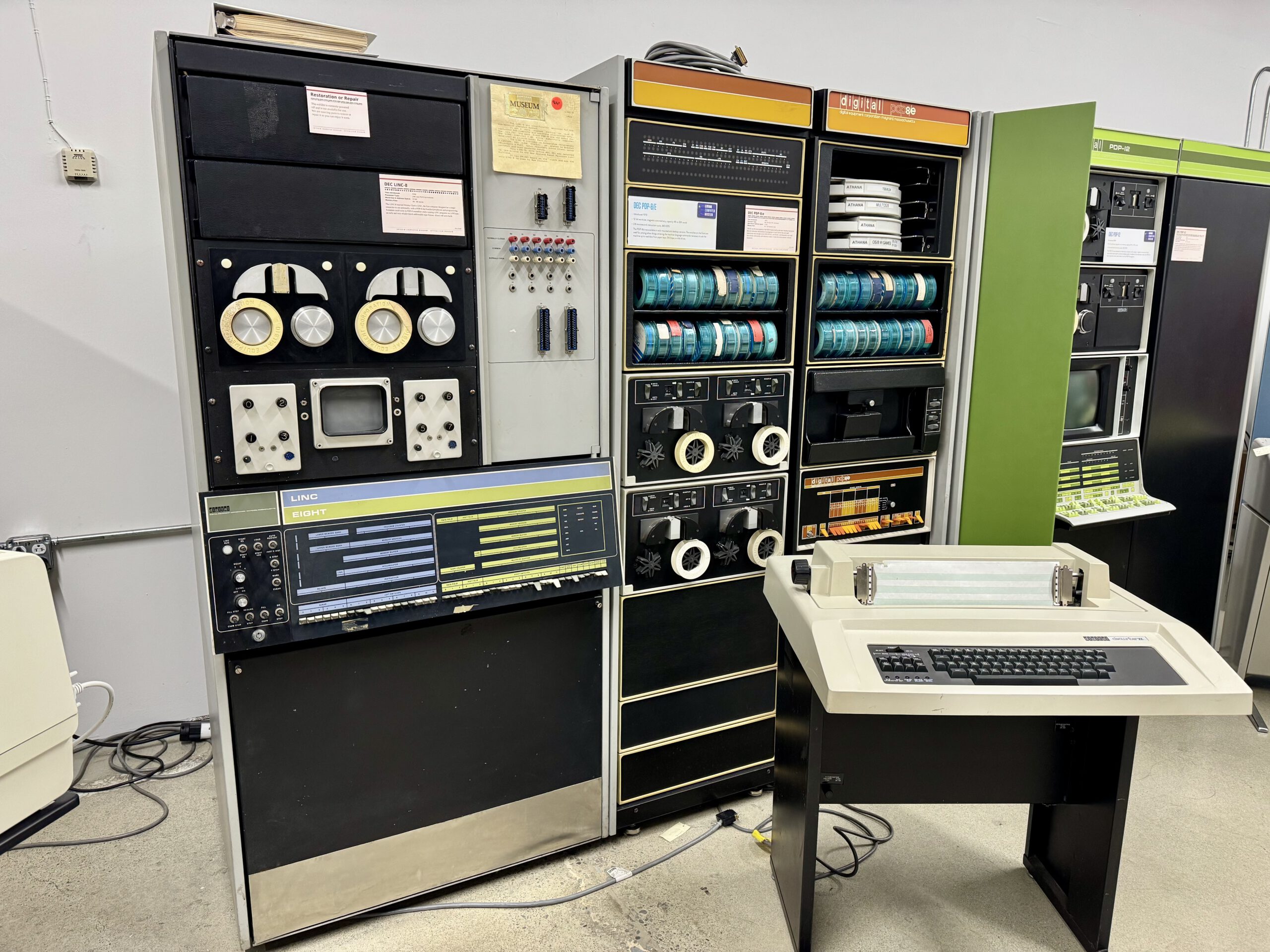
The Interim Computer Museum has two LINC machines on display, a LINC-8 that came to us from New Zealand via the DIGITAL Museum in Sydney and a PDP-12 that came from Dartmouth College in New Hampshire. One traveled about 7,000 miles to get here, transiting the Pacific twice, the other only had to cross the continent. Both carry the same strange and wonderful idea: a computer that belongs to the person sitting in front of it.
LINC – The Personal Computer
Wes Clark and Charles Molnar built the LINC at MIT Lincoln Laboratory in 1962. The name is short for Laboratory INstrument Computer, and that was the whole point. It was not a service bureau machine. You did not hand your deck to an operator and come back Thursday. You sat at it, turned its knobs, watched your data on its scope, and saved your work on a tape small enough to drop in your coat pocket.
The NIH paid for an evaluation program in 1963 where biomedical researchers came in, assembled their own LINCs, and hauled them back to their labs. The project moved to Washington University in St. Louis the next year. Mary Allen Wilkes wrote the LAP6 operating system on a LINC set up in her parents’ living room in Baltimore. Think about that the next time someone tells you who invented the personal computer.
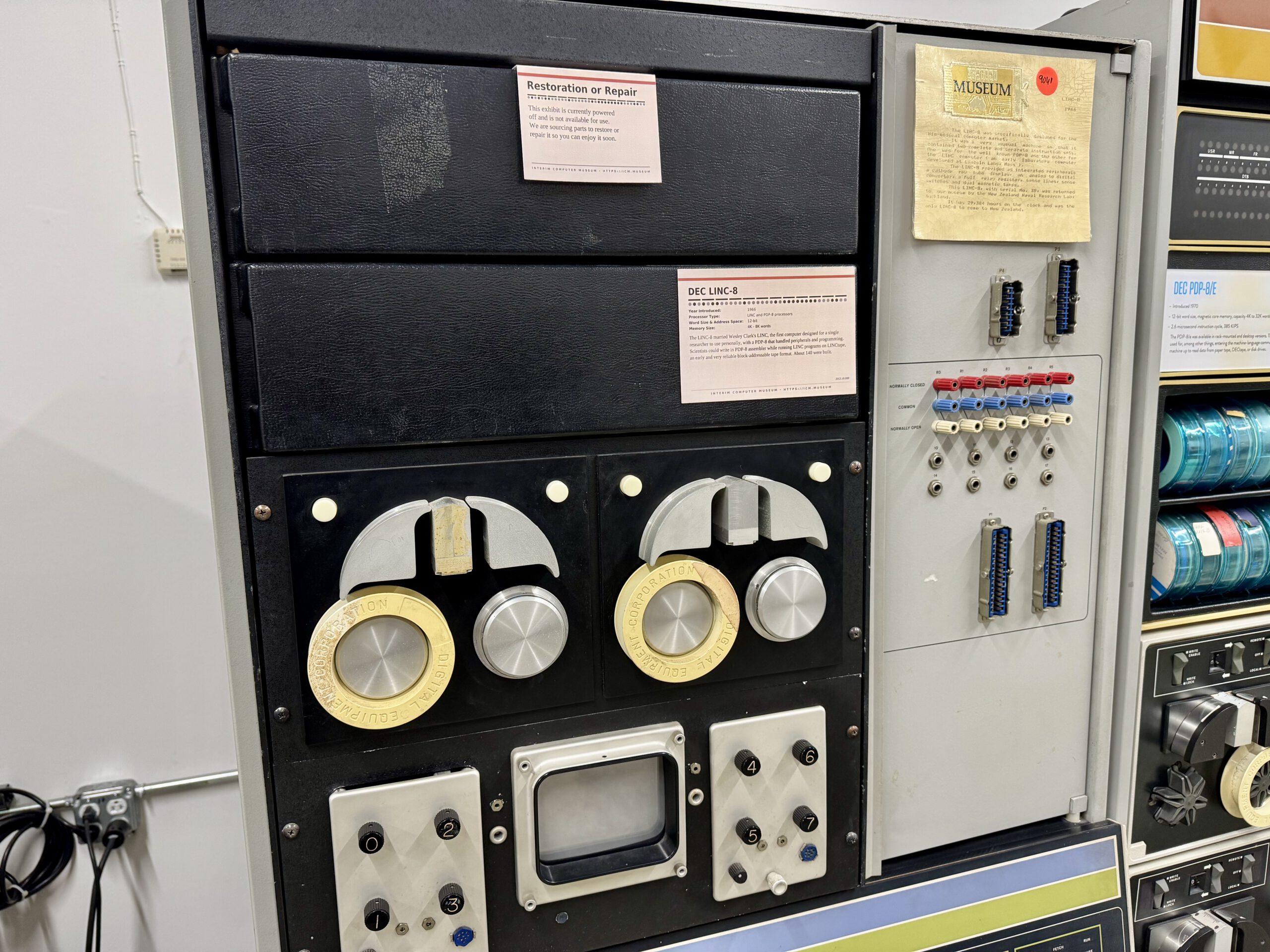
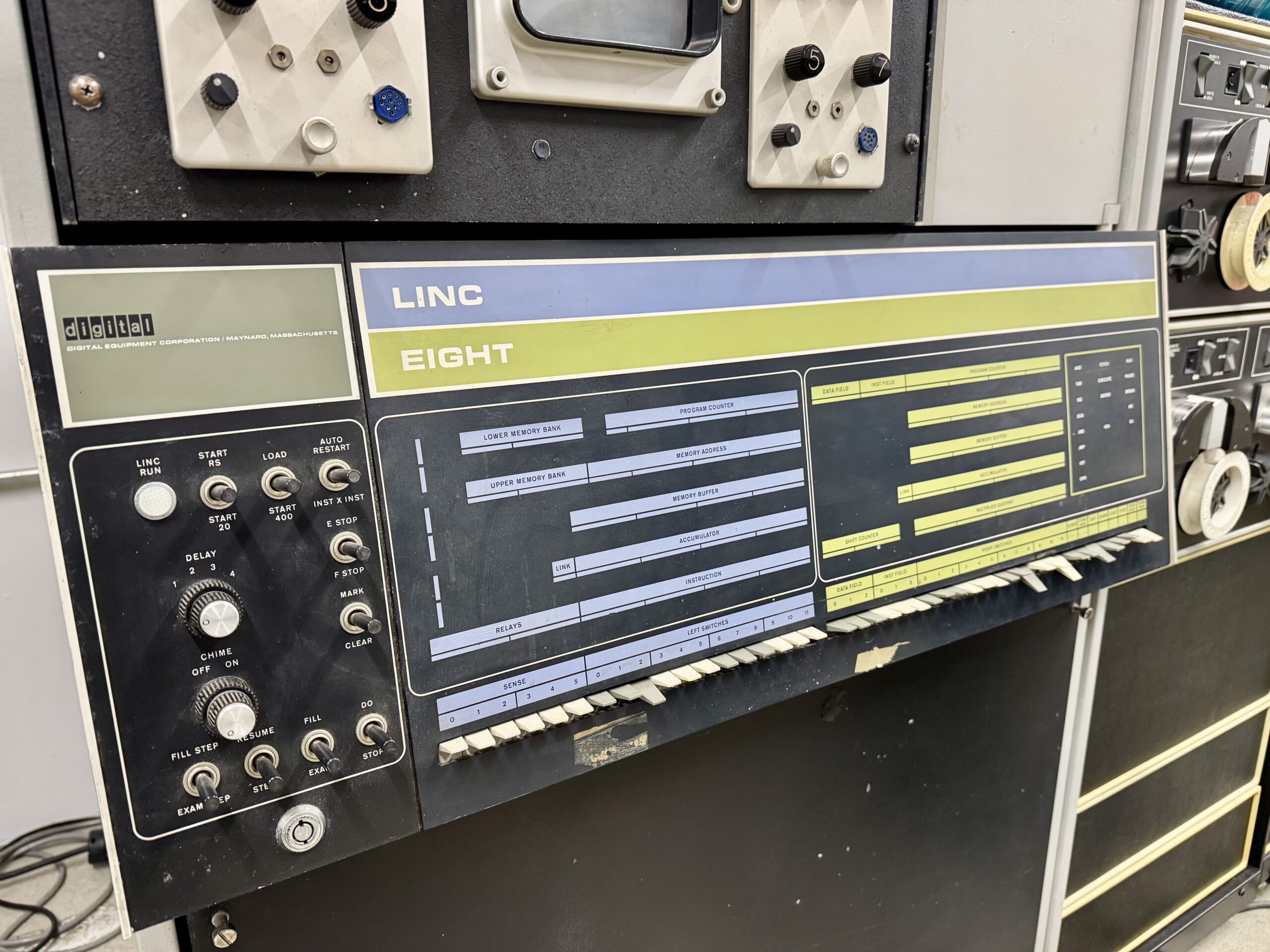
The LINC was a 12-bit machine with a tiny memory, a display, analog inputs, and LINCtape. It was the right machine for the lab bench. It was not the machine DEC was selling, which brings us to the LINC-8.
DEC’s answer in 1966 was to put a LINC and a PDP-8 in the same cabinet and let them work it out between themselves. The LINC side ran LINC code. The PDP-8 side handled the peripherals and ran a supervisor program called PROGOFOP, the PROGram OF OPerations, which kept the LINC fed with tape, display, and teletype service. You got the LINC’s lab-bench personality and the PDP-8’s software library in one box, with two front panels’ worth of lights to prove it.
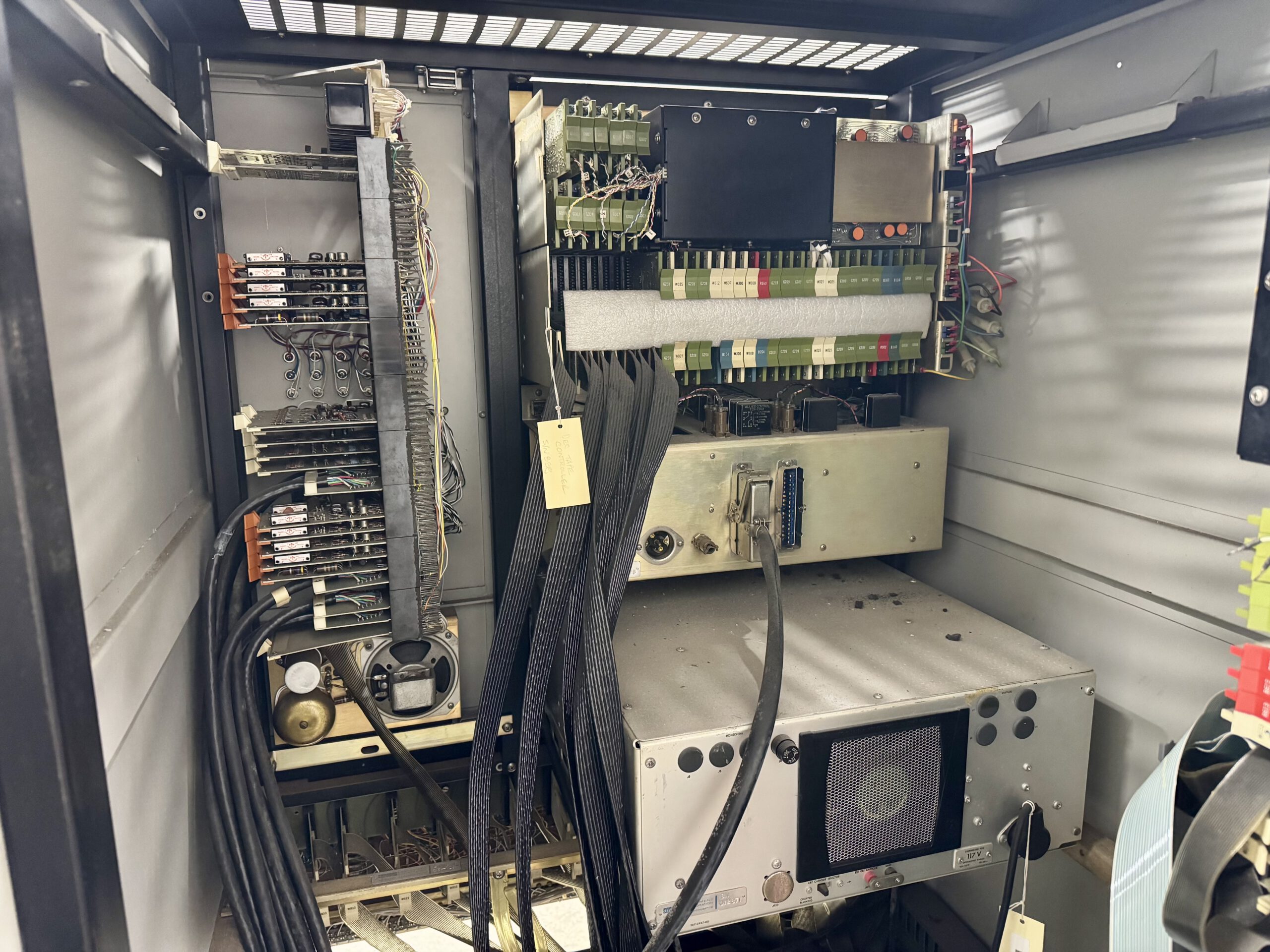
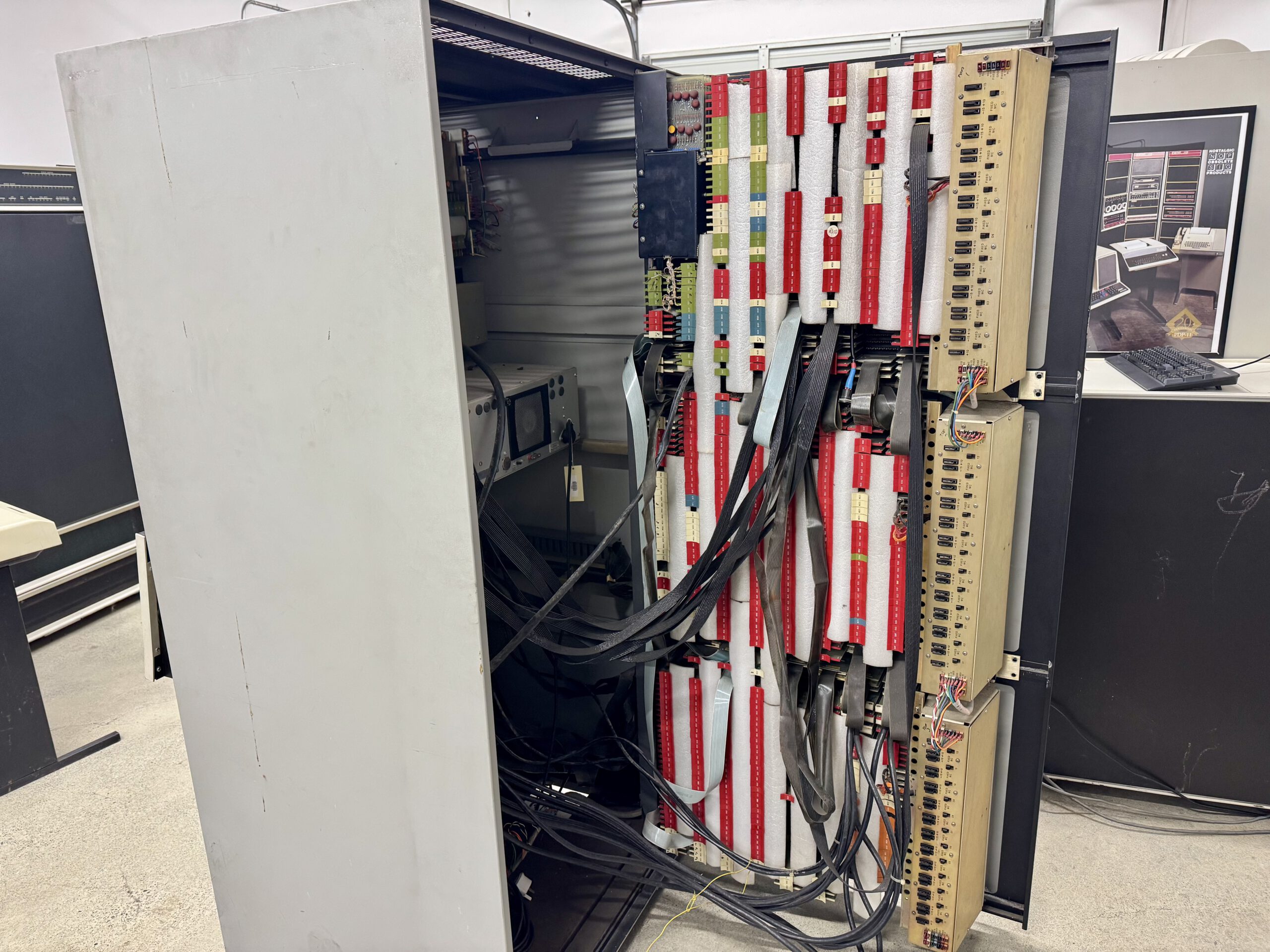
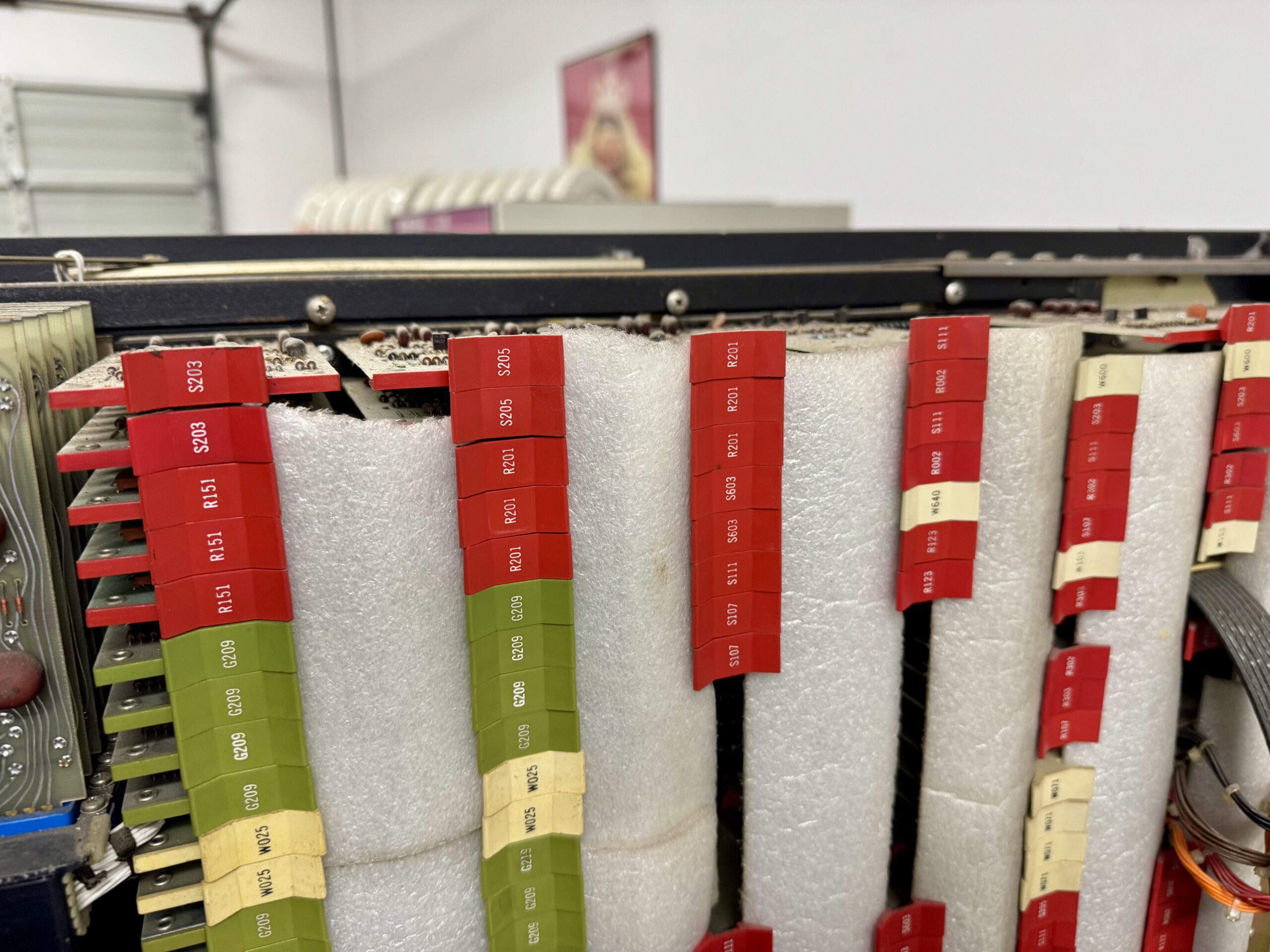
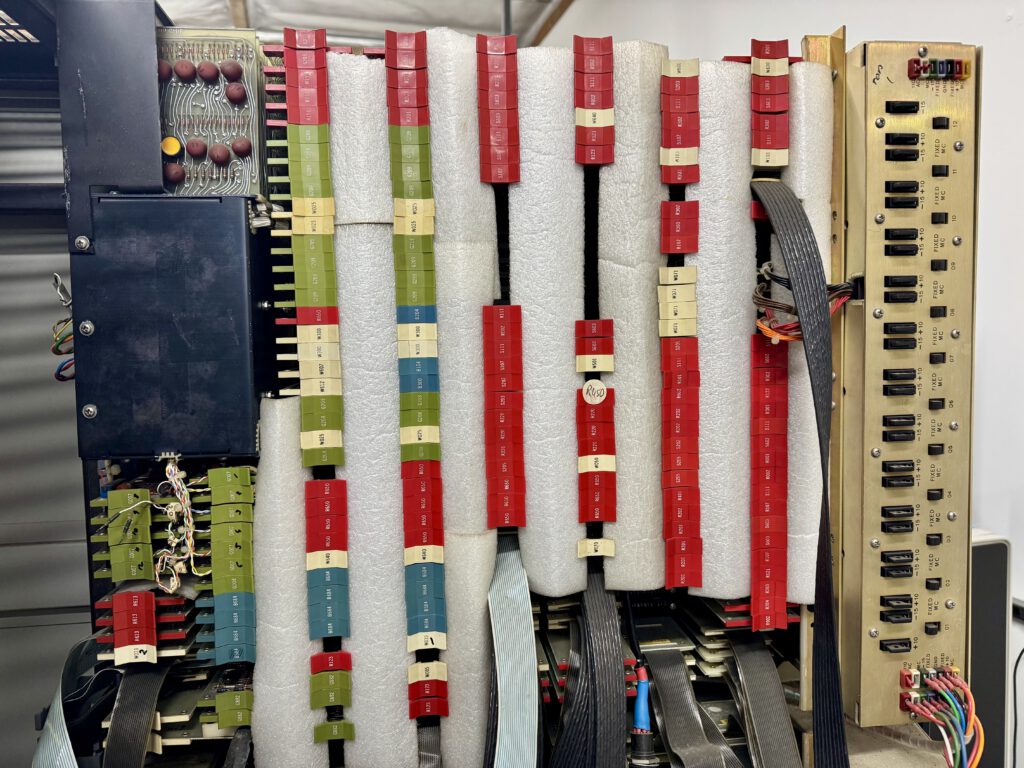
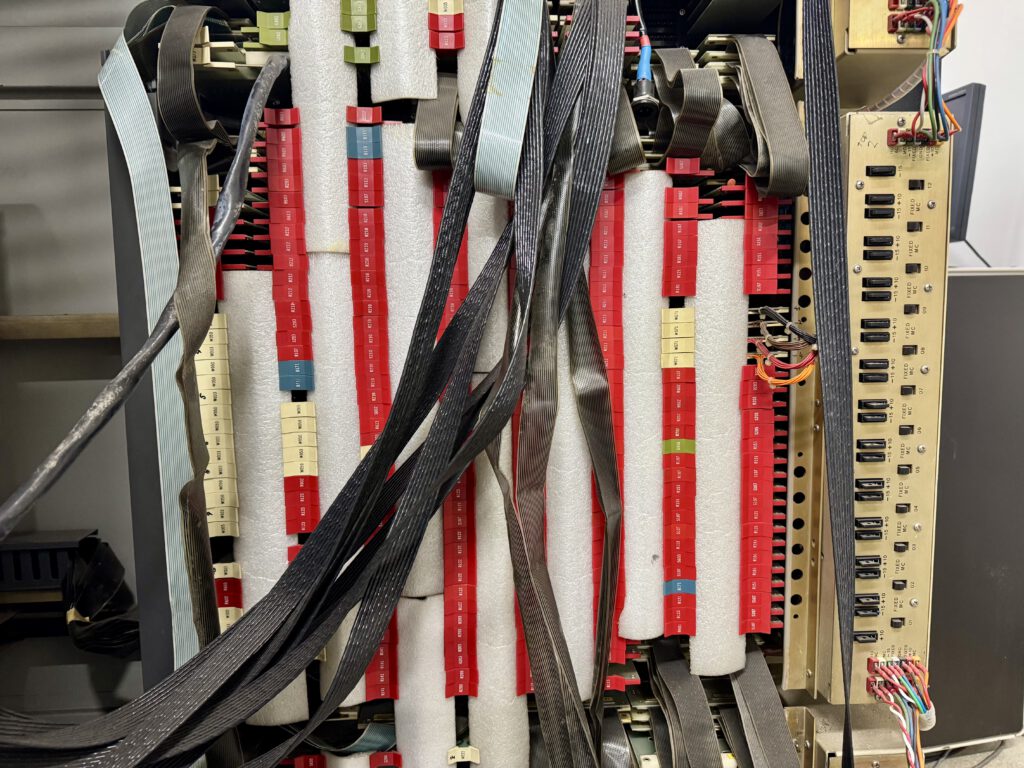
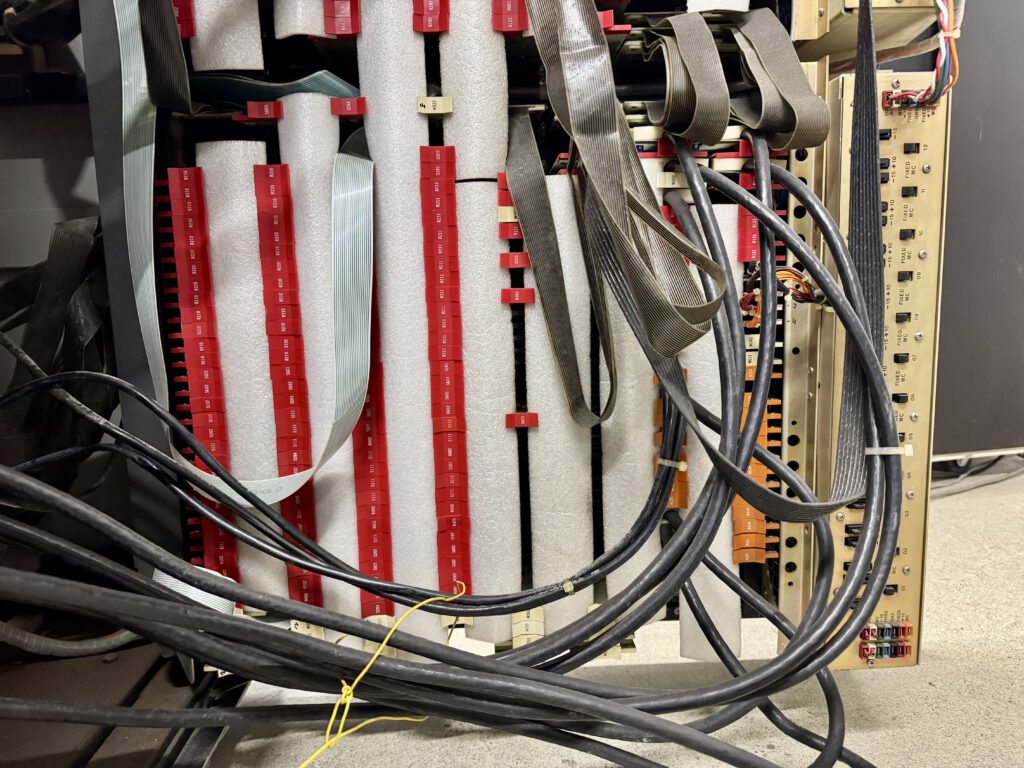
It was a kludge, and a beautiful one. DEC built the LINC-8 only from 1966 to 1969, and not many of them, so finding one at all is a small miracle. Finding one that came all the way from New Zealand is a bigger one.
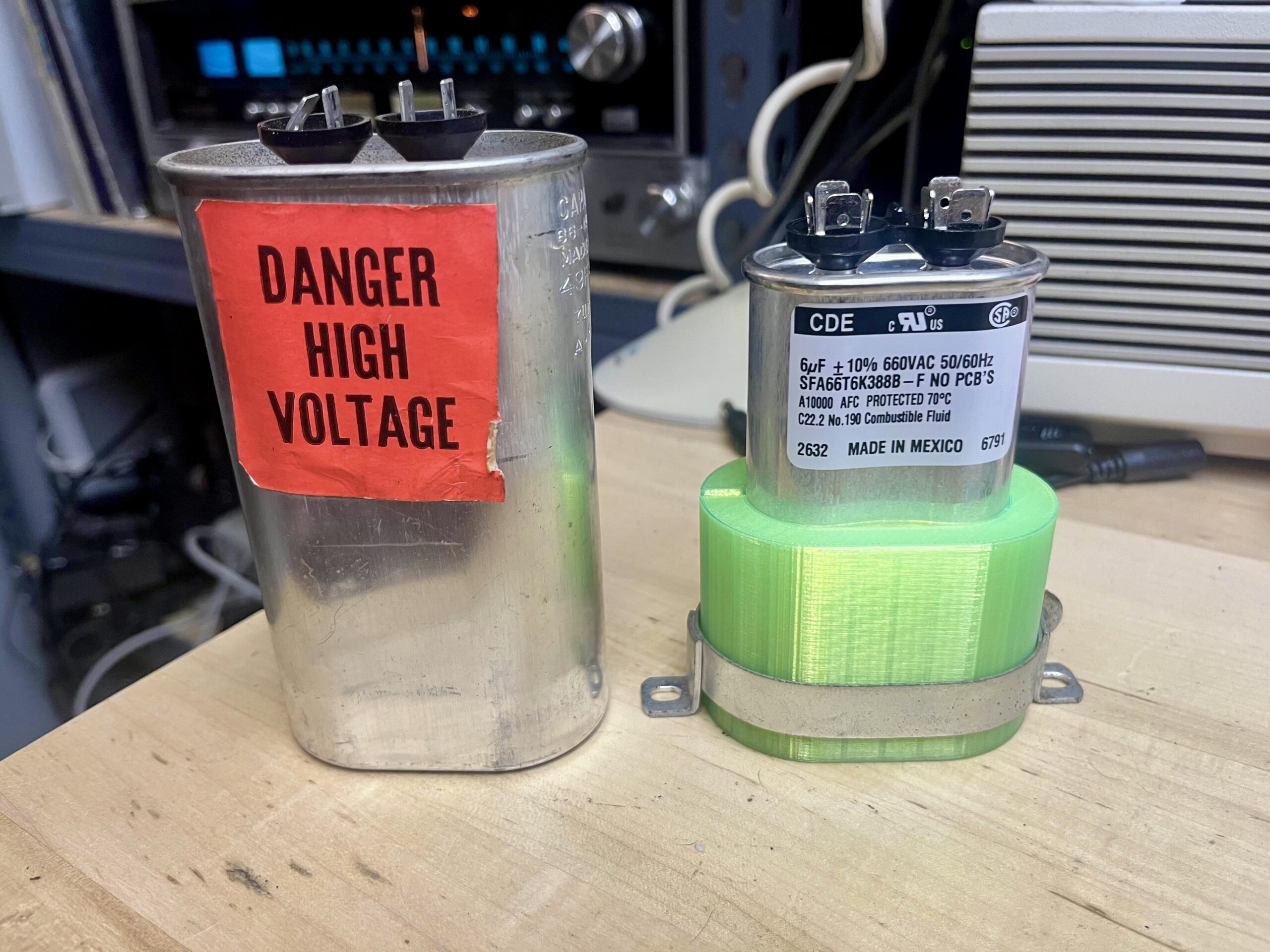
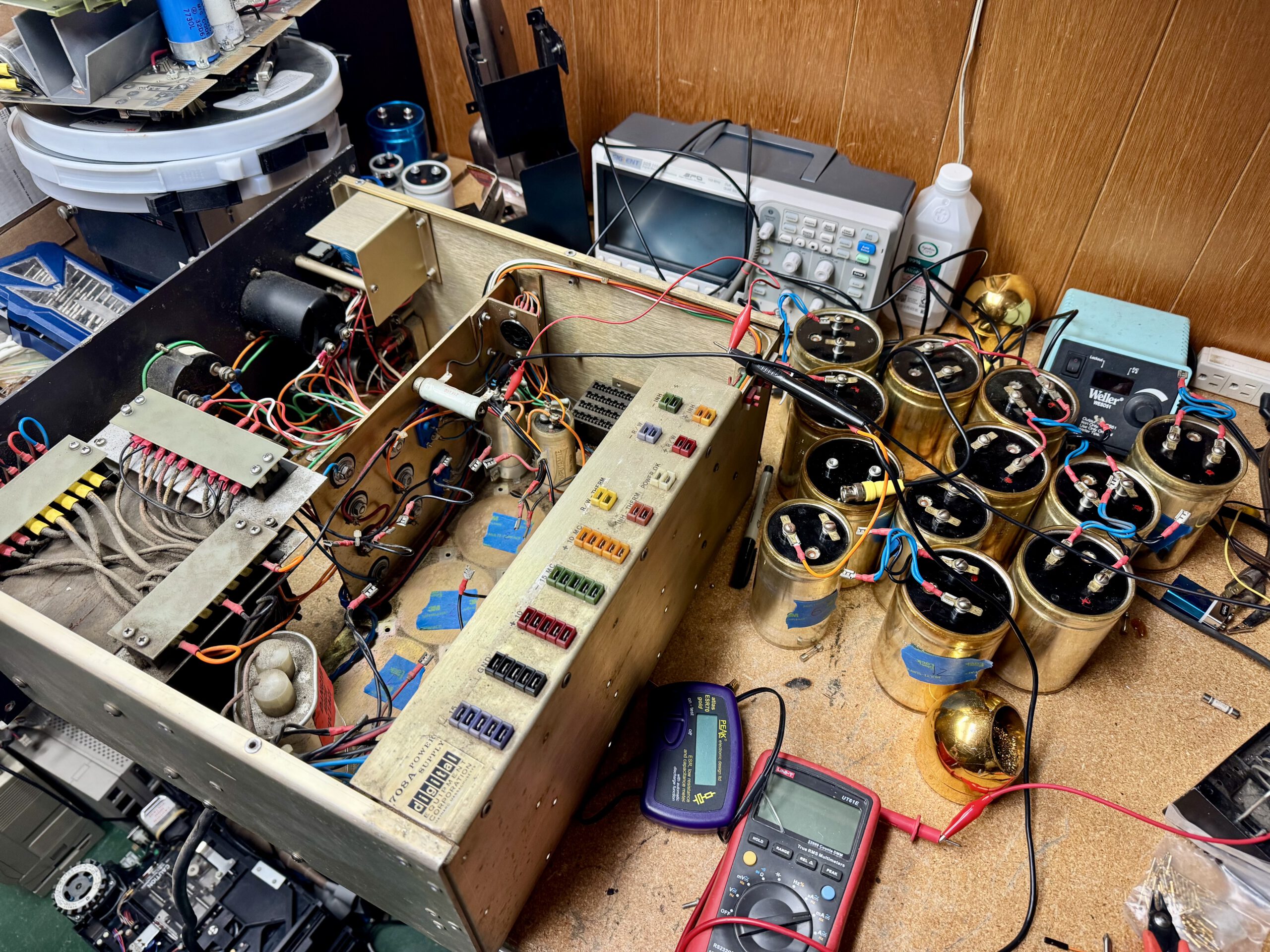
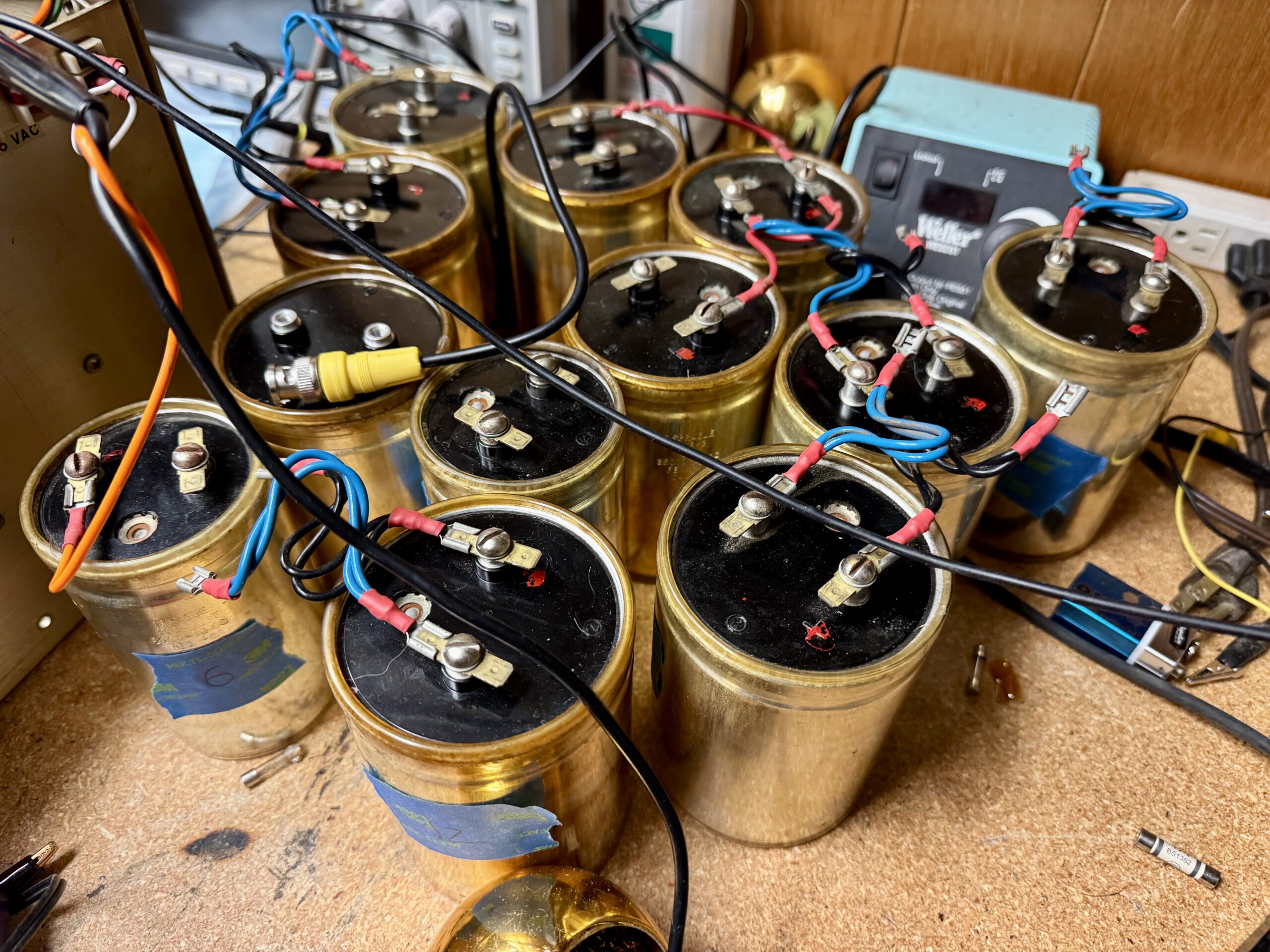
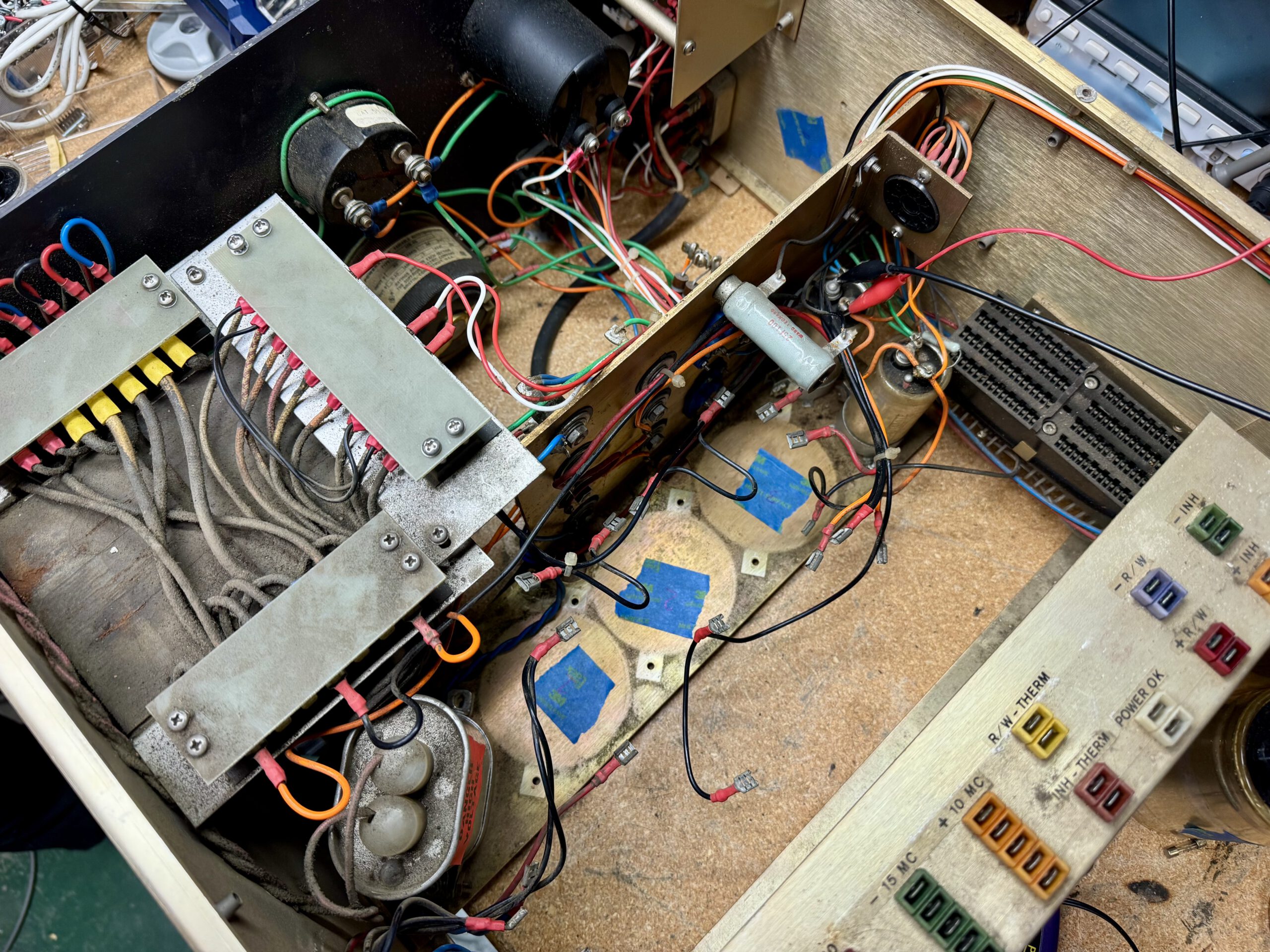
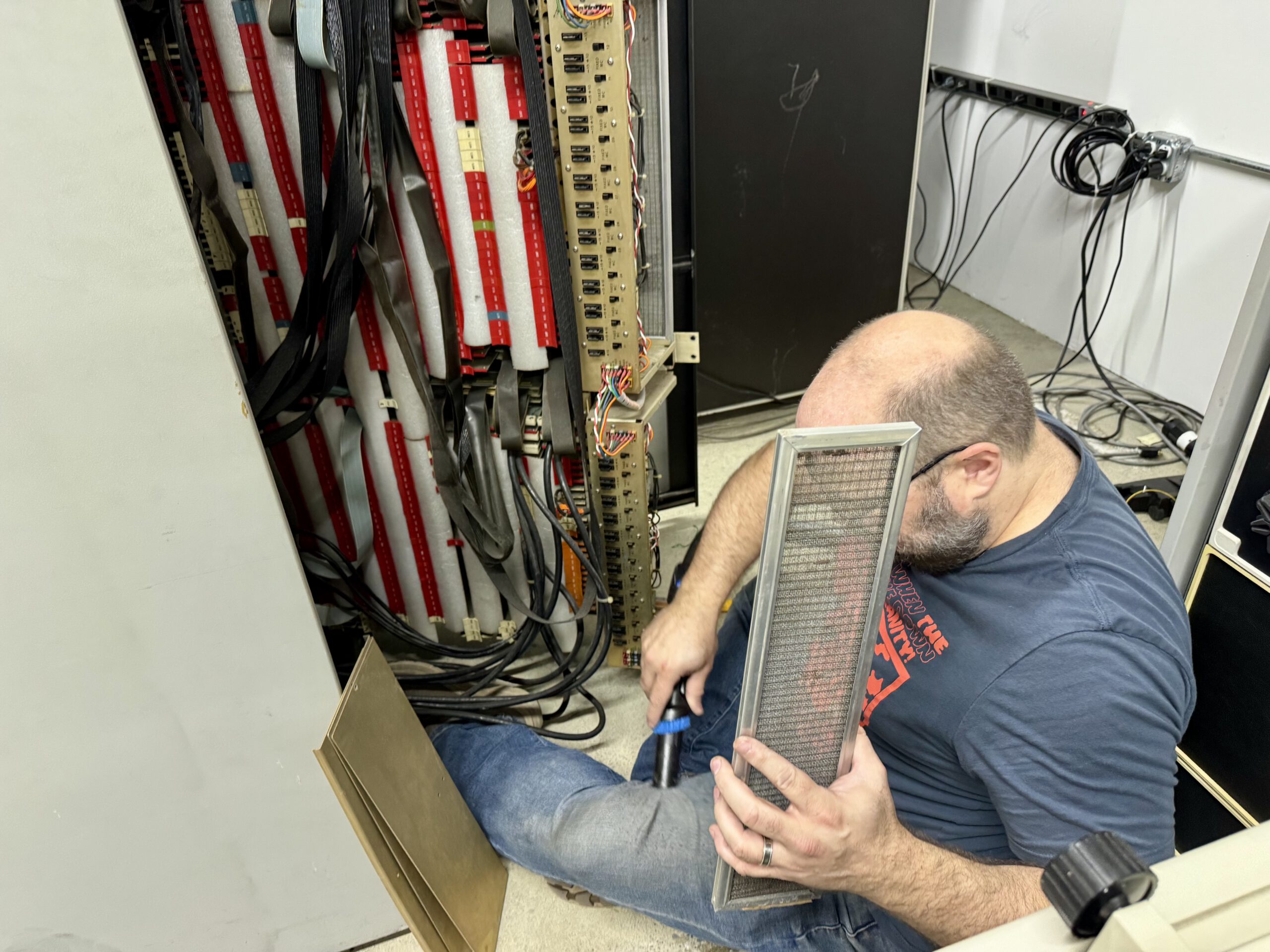
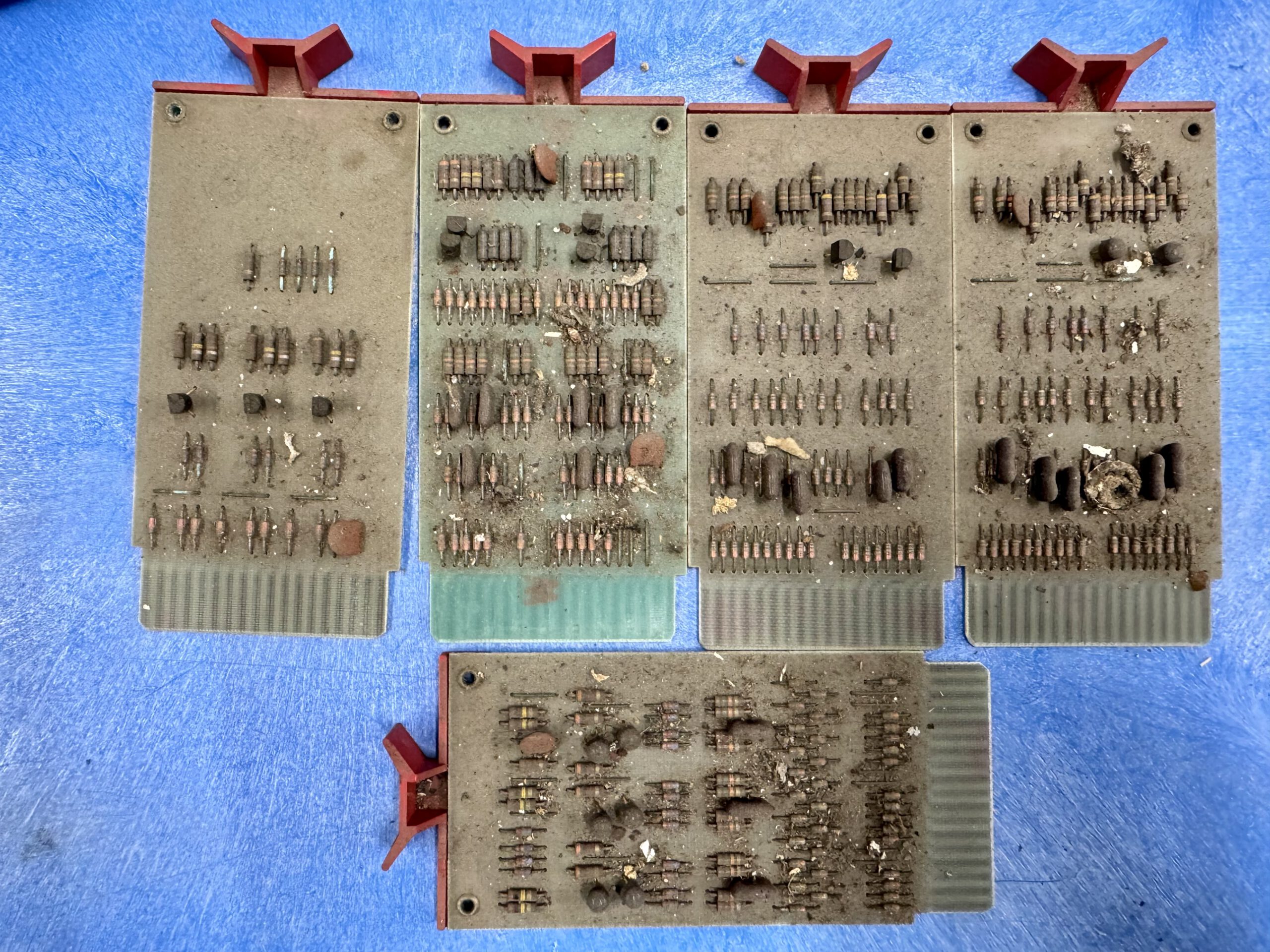
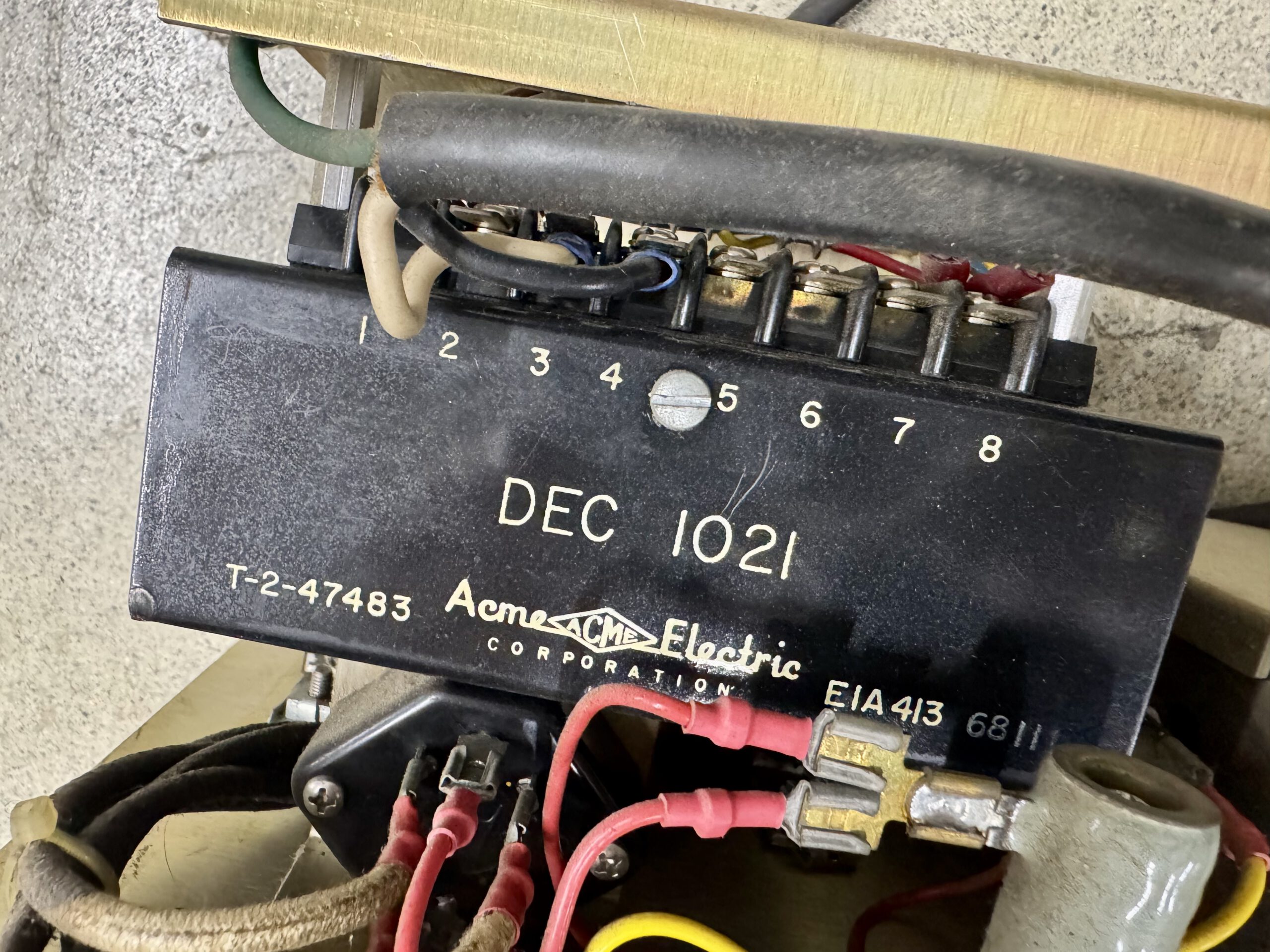
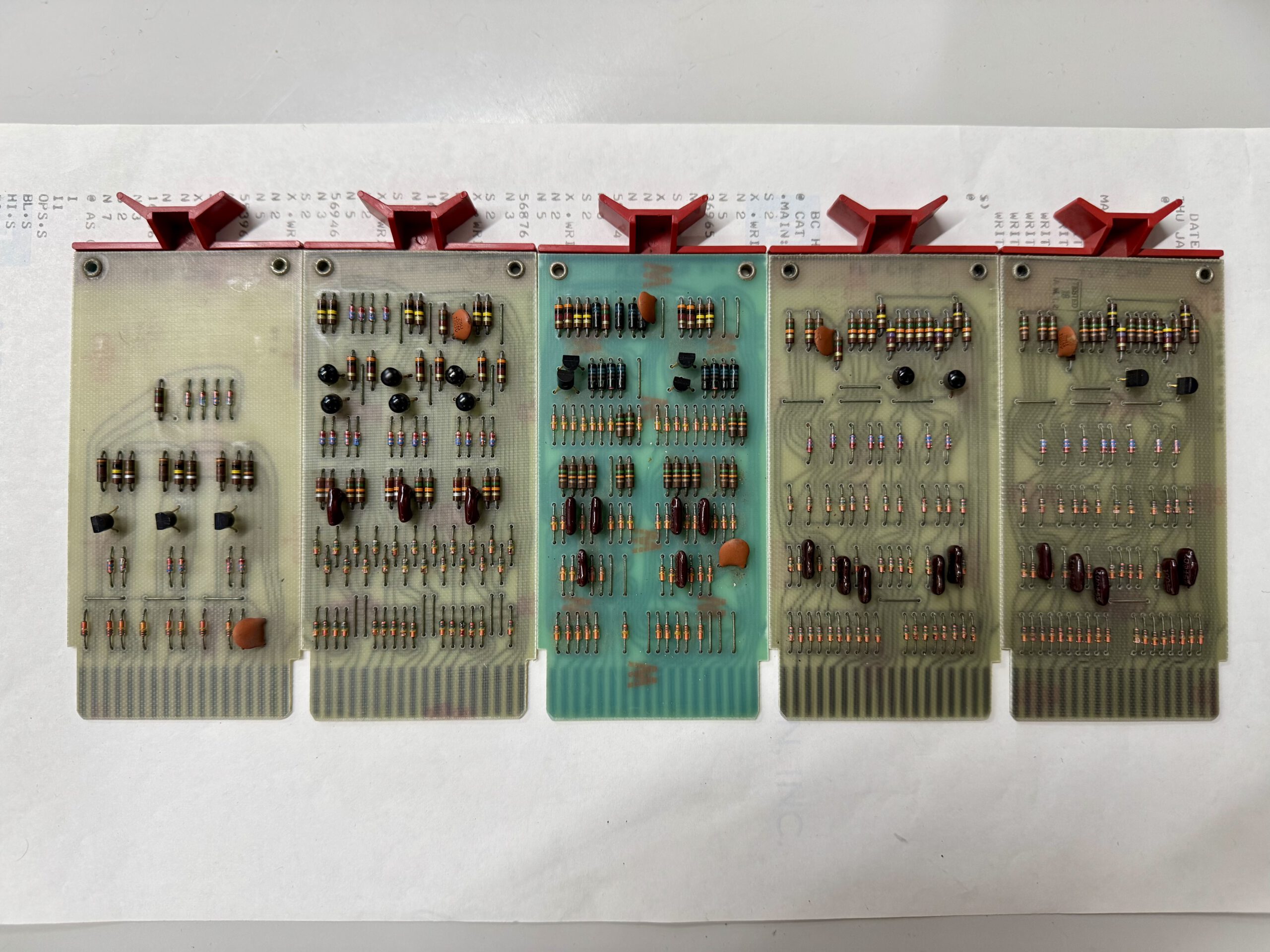
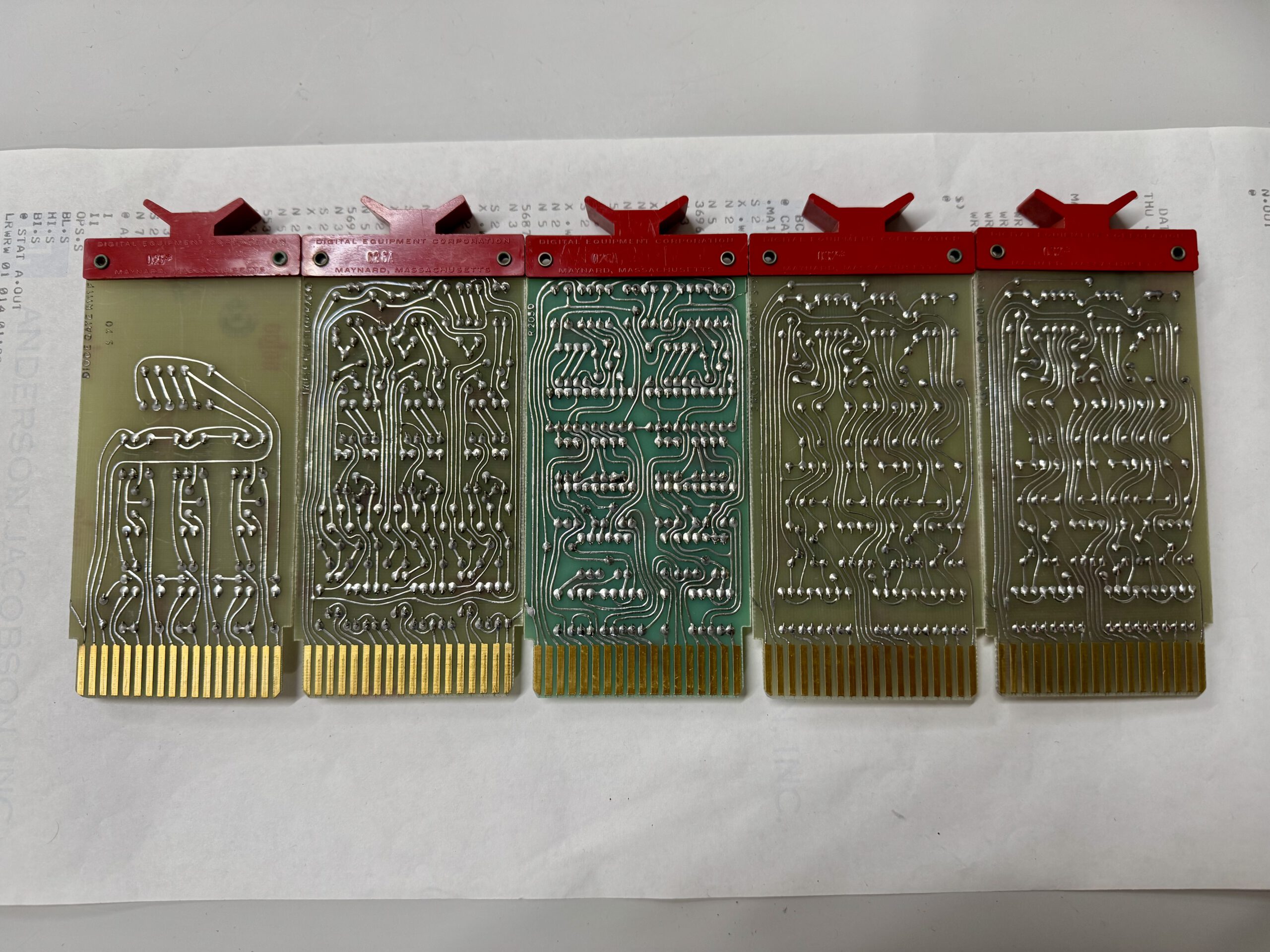
Josh Dersch has been interested in getting the LINC-8 running again. Here he is, in the middle of the reality of what we encounter when bringing these machines to life. Capacitors can be reformed with effort and careful testing or replaced. The latter in some cases create considerable e-waste. New components, often smaller in size, can be adapted through 3D printing to fit their predecessor’s footprint.
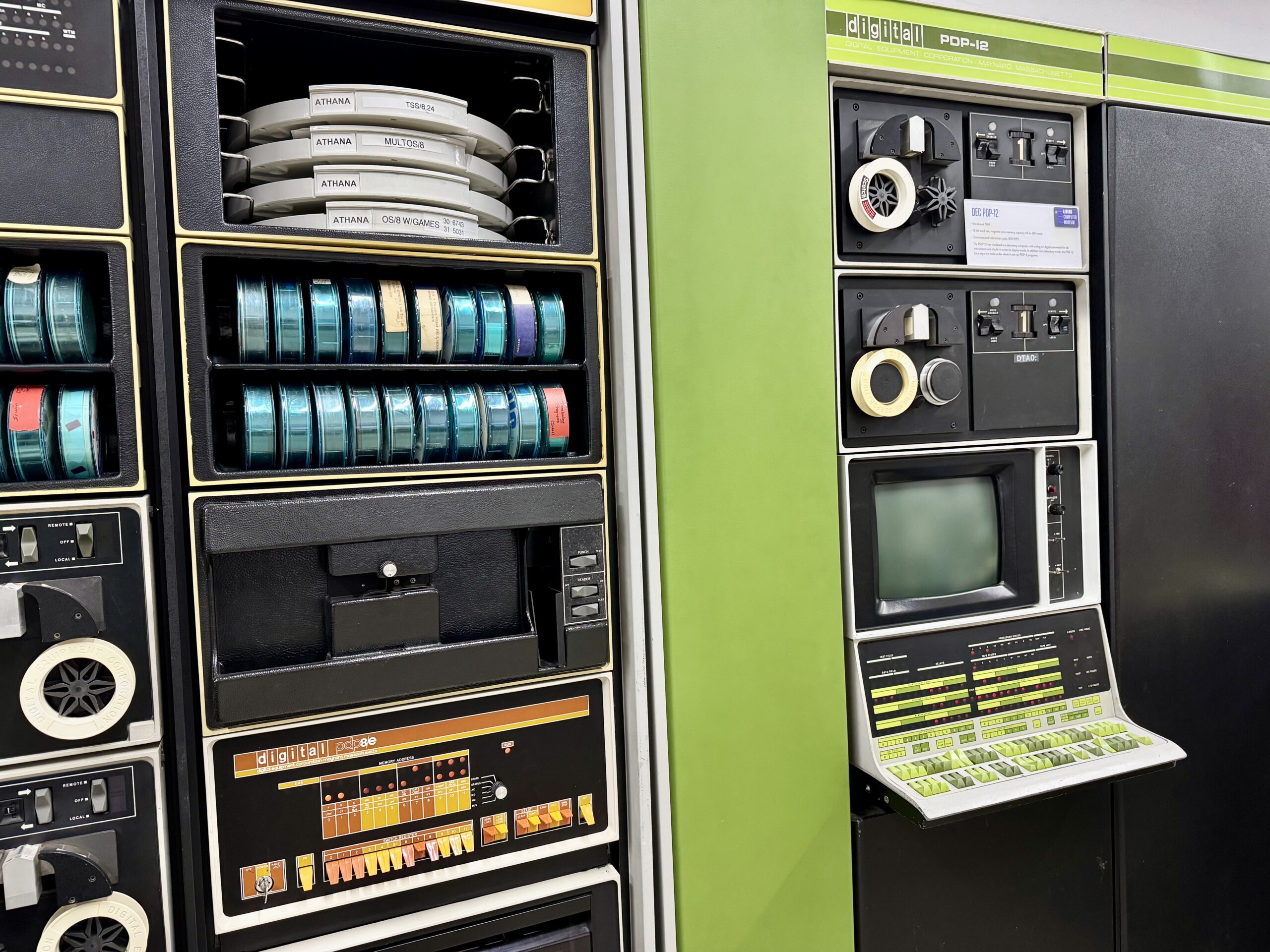
By 1969 DEC had integrated circuits and a better idea. The PDP-12 is one processor, built from PDP-8/I era logic, that speaks both instruction sets. In PDP-8 mode you execute LINC and you are a LINC. In LINC mode you execute PDP and you are an 8 again. No trench coat required.
It kept everything that made the LINC a lab machine: the scope, the knobs, the analog inputs, the relays, and the dual tape transports. It also ran OS/8 in its OS/12 dress, so the same box that captured an experiment in the morning could compile FORTRAN in the afternoon. Weighing in around 600 pounds for a basic system, it was personal computing for people with strong backs.
Ours came from Dartmouth, the school that gave the world BASIC and DTSS and taught a generation of undergraduates that a computer was something you talked to. It is a working machine and we often have it running kaleidoscope and etch-a-sketch.
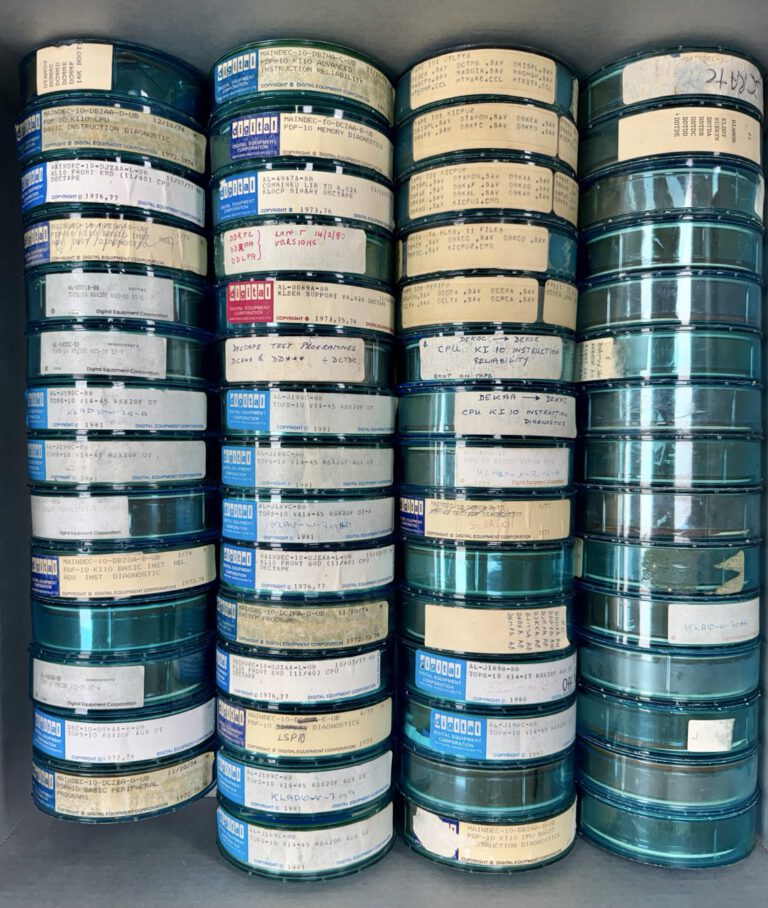
LINCtape is the unsung hero here. It is block addressable, so the machine can seek straight to the block it wants, read it, write it back in place, and move on. That is a disk on a reel, and it is the direct ancestor of DECtape. It is also nearly indestructible, which is why we can still read it.
DIAL grew out of Wilkes’s LAP6. You edit your source right on the scope, a line at a time, file it to tape, assemble it, and run it, all without leaving the console. In 1969 that was an interactive programming environment for one person, with a screen editor, on a machine in the corner of a lab. Most of the world was still punching cards.